


Published on
November 29, 2025


Monterrey International is stepping up its game by aligning with Los Angeles, Miami, and Newark Airports to unveil game-changing technology upgrades. These upgrades are designed to revolutionize the way we travel. With a focus on reducing wait times and enhancing the overall experience, this collaboration is a game changer for air travel. As travel demand surges, these airports are embracing the latest in biometric screening, self-service kiosks, and automated passport control systems. This means faster security checks, quicker immigration processes, and smoother boarding experiences. The goal is simple – your travel time is about to get shorter. With these high-tech solutions in place, travelers can expect to move through airports with ease and efficiency.
Read the article to learn how these upgrades will make your next journey faster, safer, and more enjoyable. These airports are not just improving; they are transforming air travel for good.
Why Are Airports Focusing on Reducing Wait Times?
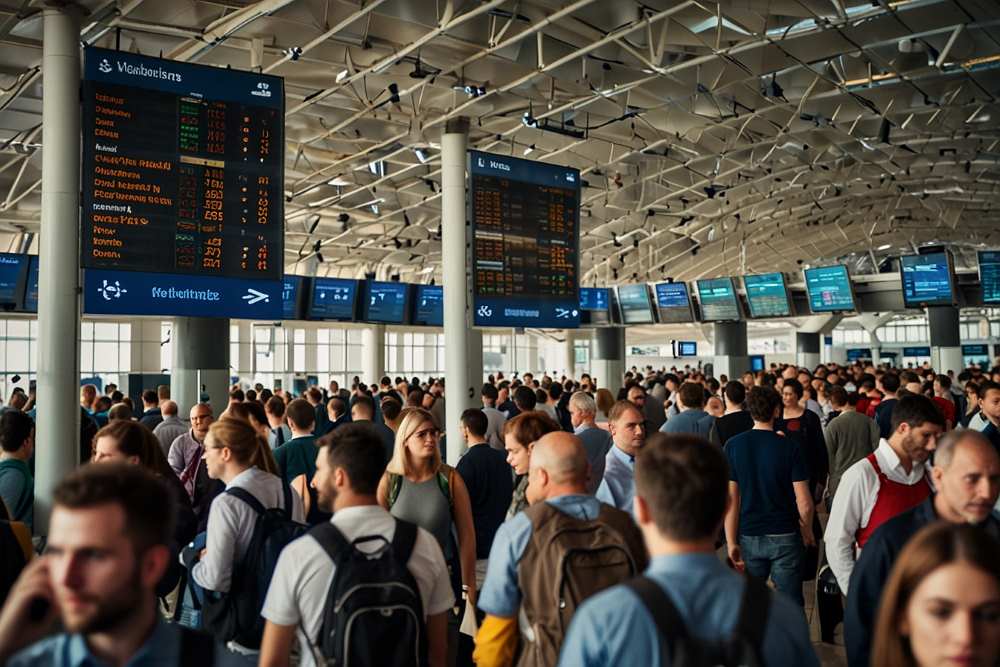
Airports are focusing on reducing wait times due to the rising number of travelers. After the COVID-19 pandemic, air travel has surged globally, and airports are now overwhelmed with passenger volumes. This increased demand is especially evident in high-traffic hubs like Monterrey International Airport, which is gearing up for the 2026 World Cup. Airports, including those in the U.S. and Monterrey, are investing heavily in technology to streamline processes and deliver a smoother experience for passengers.
By modernising facilities and introducing new tech-driven solutions, these airports are preparing for a wave of future travelers while ensuring that operations run more efficiently. The goal is simple: reduce wait times, improve security, and provide a more enjoyable experience for passengers.
Miami International Airport (MIA): A Leader in Biometric Technology
Miami International Airport (MIA) is one of the pioneers when it comes to using biometric technology to reduce wait times. MIA has partnered with U.S. Customs and Border Protection (CBP) to deploy an Enhanced Passenger Processing (EPP) system. This innovative technology uses facial recognition to speed up passport control, a method that Monterrey International Airport plans to adopt as part of its operational upgrades.
At MIA, passengers can now use biometric face pods to scan their face, which is then matched with their CBP records. This process takes just a few seconds, allowing international travelers to clear immigration faster and avoid long queues. The biometric deployment at MIA is now one of the largest deployments of automated passport screening in the U.S., helping to ease congestion at key points in the airport. This shift to biometric verification improves not only passenger flow but also security, ensuring only legitimate passengers can board flights.
For travelers at MIA, this means less time waiting in long lines and more time enjoying the journey. Monterrey International Airport is set to implement a similar system in preparation for increased international arrivals due to the 2026 World Cup, bringing faster and more efficient immigration processing.
TSA’s Push for Biometric and Touchless Security Screening
Another U.S. initiative designed to reduce wait times is led by the Transportation Security Administration (TSA). Traditionally, airport security is a long, tedious process. But TSA is introducing biometric security gates and touchless identity verification systems to improve efficiency.
The introduction of biometric e-gates means passengers can now scan their face along with their boarding pass to verify their identity. This eliminates the need for manual ID checks and reduces the time spent waiting in security lines. By incorporating biometric technology, TSA can ensure that passengers are securely processed without the usual delays caused by traditional security checks.
Similar to the changes planned at Monterrey International Airport, U.S. airports are implementing biometric solutions that allow for quick and secure identity verification. This system also helps reduce the manual handling of IDs, which is often a bottleneck during peak travel times.
Newark Liberty and LAX: Pioneering Self-Service Kiosks
Newark Liberty International Airport (EWR) and Los Angeles International Airport (LAX) have also introduced self-service kiosks to speed up the check-in process. These kiosks allow travelers to check in, print their boarding passes, and drop off their luggage without needing to visit a staffed counter. This not only reduces wait times but also makes the process more convenient for passengers, especially during busy travel seasons.
At LAX, Automated Passport Control (APC) kiosks allow international passengers to process their immigration forms and customs declarations without waiting in line for a customs officer. By using these kiosks, travelers can save a lot of time and reduce the need for human interaction during the entry process. Similarly, Newark Liberty has deployed these kiosks to handle passenger volumes more effectively, creating a smoother flow at international gates.
Monterrey International Airport is also planning to introduce self-service kiosks as part of its upgrades. This will allow passengers to check in and drop off luggage more efficiently, eliminating the need for long queues at check-in counters. The introduction of these kiosks will further reduce the time passengers spend waiting at various points of the airport, making the travel experience smoother and faster.
Real-Time Monitoring: Managing Passenger Flow
In addition to biometric systems and self-service kiosks, airports are using real-time monitoring sensors to track passenger volumes at critical points such as check-in counters, security lines, and baggage screening areas. These sensors help airport staff identify when certain areas are becoming overcrowded, allowing them to make adjustments to improve efficiency.
For example, if a security line starts to get too long, the system can alert staff to open additional lanes or redirect passengers to less busy areas. This proactive approach prevents long lines from forming in the first place. Airports like Monterrey International Airport are implementing similar technologies to manage congestion and improve the overall passenger experience, especially during peak hours.
The use of real-time monitoring also allows airports to adjust operations based on passenger flow, ensuring that resources are allocated where they are needed most. This dynamic approach is helping to reduce bottlenecks and enhance the travel experience at major airports around the world.
Expanding Airport Facilities and Services
While technology plays a major role in reducing wait times, airports are also making improvements to their physical infrastructure to handle more passengers. Miami International Airport, for example, has expanded its waiting areas, created more seating options for travelers, and upgraded its operational control center to manage passenger flow more effectively. Similarly, Monterrey International Airport is expanding its terminals and improving its boarding areas to accommodate the increase in passenger traffic expected for the 2026 World Cup.
These infrastructure upgrades, combined with the technological improvements, will help airports manage the growing number of travelers. By enhancing both the physical and technological aspects of the airport experience, these airports are ensuring that passengers enjoy a more comfortable and efficient journey.
The Promise of Biometric Systems for Future Travel
As airports around the world modernise, biometric systems are becoming a key feature of air travel. Biometric entry/exit systems, such as facial recognition and fingerprint scanning, are already in place at several U.S. airports. These systems provide a quick and secure way to verify passengers’ identities and streamline the travel process.
At Monterrey International Airport, plans are underway to implement autonomous immigration filters that allow travelers to complete immigration procedures independently. These systems will speed up the flow of international arrivals, reducing wait times during peak hours.
As biometric systems become more widespread, they will revolutionise air travel. They offer not only faster processing but also enhanced security, as travelers’ identities are verified more accurately. The move toward biometrics will significantly reduce human error and fraud, providing a smoother and more secure travel experience for everyone.
Challenges and Considerations in Implementing These Upgrades
While the benefits of these upgrades are clear, there are some challenges involved in their implementation. For airports to fully adopt biometric systems and automated processes, they must invest heavily in infrastructure. This includes installing biometric gates, upgrading check-in kiosks, and implementing real-time monitoring systems. These investments can be expensive, particularly for smaller airports that may not have the same resources as larger hubs.
Privacy concerns are also an issue. As biometric data becomes more widely used, travelers may worry about how their personal information is stored and managed. Airports must ensure that robust data protection policies are in place and that passengers’ privacy is respected. Transparency about how biometric data is handled is crucial to gaining travelers’ trust.
Additionally, airports must ensure that their systems are accessible to all passengers. Not everyone may be comfortable with biometric systems, and some travelers may prefer traditional manual checks. Airports need to provide alternatives for these passengers, ensuring that everyone can pass through security and immigration smoothly.
What These Upgrades Mean for Global Travelers
The advancements being made at U.S. airports and Monterrey International Airport are setting a new standard for air travel worldwide. As airports around the world adopt similar technologies, passengers can expect a faster, more efficient travel experience. Whether you are flying from New York, Los Angeles, or Monterrey, these changes will make your journey more enjoyable and less stressful.
The introduction of biometric systems, self-service kiosks, and real-time monitoring means that passengers will spend less time waiting in long lines and more time enjoying their travels. These upgrades will be especially beneficial during peak travel times when airports are busiest.
In the future, we can expect to see global airports adopting similar technologies to improve passenger flow. As these systems become more common, air travel will become more streamlined and efficient, making it easier for travelers to reach their destinations on time.
Conclusion: The Future of Air Travel is Here
U.S. airports and Monterrey International Airport are paving the way for a new era of air travel. Through the implementation of biometric systems, self-service kiosks, and real-time monitoring, airports are reducing wait times and improving the overall passenger experience. With major events like the 2026 World Cup and the growing demand for air travel, these upgrades will be crucial for handling large volumes of passengers efficiently.
For travelers, this means faster check-ins, smoother security screenings, and quicker immigration processes. The future of air travel is shaping up to be faster, safer, and more enjoyable than ever before. As Monterrey International Airport prepares for its upgrades, it joins a global movement of airports working to create a better, more efficient travel experience for all.
Source: Mexico Business News


link