


Published on
November 6, 2025


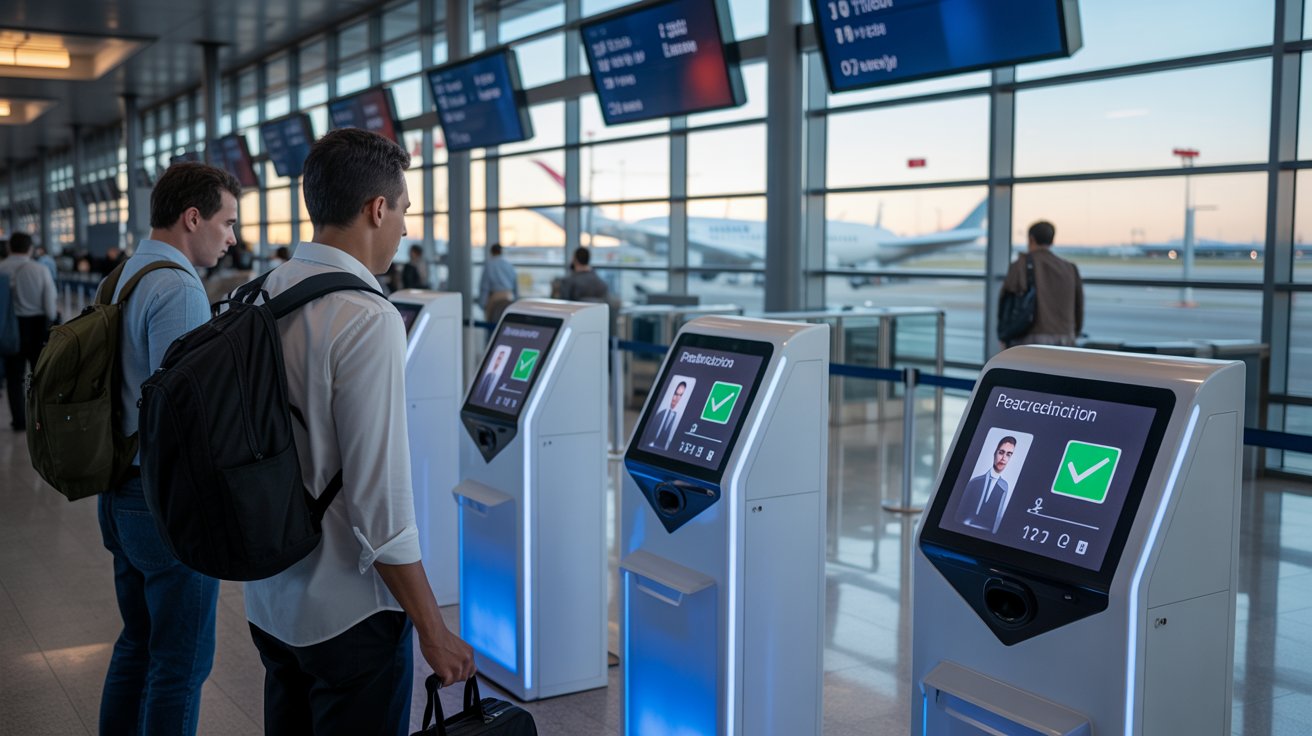
A new report from the International Air Transport Association (IATA) has revealed that integrating domestic and international departure passenger flows using biometric digital ID technology could generate substantial savings and streamline operations at airports. This revolutionary approach eliminates the need for physical barriers currently separating international and domestic departures, ultimately reducing costs, improving efficiency, and enhancing the passenger experience.
The Domestic and International Passenger Integration Program (DIPIP), developed in collaboration with engineering services firm AtkinsRéalis, explores how biometric verification can replace physical segregation at airport terminals. This innovative solution would allow for shared facilities, leading to greater operational flexibility and sustainability benefits.
According to Nick Careen, IATA’s Senior Vice President for Operations, Safety and Security, the technology offers a much-needed modernization of airport systems. Careen said that they were witnessing a true technology step-change. By adopting biometric digital ID, they can segregate passenger flows without the need for expensive, redundant infrastructure.
Biometric Digital ID: Revolutionizing the Passenger Experience and Airport Efficiency
The IATA study highlights several key benefits from the integration of biometric systems to manage passenger flows:
Improved Passenger Experience
By removing physical barriers between domestic and international departures, passengers will experience smoother and faster journeys. This streamlined process reduces waiting times, especially at security checks and boarding areas, enhancing overall satisfaction. Notably, minimum connection times could be shortened by up to 20%, providing a more efficient airport experience.
Cost Savings
One of the most compelling arguments for integrating passenger flows with biometric technology is the significant cost savings for airports and airlines. The DIPIP report shows that shared facilities—for example, a single check-in counter for both domestic and international passengers—eliminate duplication in infrastructure and staffing costs. The case studies suggest that medium-sized airports could see up to 11% reduction in staff costs, while one airport reported annual savings of USD 5.3 million from improved operations.
More Efficient Use of Airport Infrastructure
With biometric systems allowing for shared use of terminal space, airports can better utilize their available infrastructure. This means more passengers can be served within the same terminal footprint, optimizing space and reducing the need for expansion. This also increases operational flexibility, allowing airports to adapt more easily to fluctuating passenger volumes.
Sustainability Benefits
From a sustainability perspective, consolidating passenger flows reduces the overall energy consumption and construction emissions associated with maintaining separate facilities for domestic and international passengers. The DIPIP study suggests that a medium-sized airport could reduce its carbon footprint by 18,000 tonnes annually—equivalent to removing about 4,000 cars from the road for an entire year.
Realizing the Potential: A Roadmap for Implementing the Integrated Passenger Flow Solution
The DIPIP report outlines a three-stage implementation process: Baseline, Integrated, and End-State. The roadmap provides a practical framework for adopting the technology, starting with shared terminals and biometric identity verification. These early phases can be implemented within existing regulatory frameworks, with close collaboration between airports, airlines, and border authorities.
The End-State envisions a fully digital passenger experience, where travelers complete their identity and travel checks remotely, creating a seamless, secure journey from check-in to boarding. This vision aligns with the growing global interest in contactless travel and digital identity systems.
The Role of Airports, Airlines, and Regulators
The success of DIPIP hinges on collaboration between various stakeholders. Airports, airlines, and regulatory bodies must work together to ensure that emerging technologies like biometrics are integrated into existing systems while maintaining safety and compliance. Careen further points out that Collaboration is essential to unlocking the benefits of integrated passenger flows and that they can deliver seamless, secure, and efficient travel for passengers while upholding the highest standards of safety.
A Future-Oriented Approach: Enhancing Airport Operations with Biometric Technology
The transition to biometric digital ID at airports is part of the broader shift toward digitization in the travel industry. With many airports and airlines already adopting digital solutions for boarding passes and self-check-in kiosks, the next logical step is integrating biometric verification for passenger flows. This move not only aligns with global trends in digital identity but also significantly contributes to the aviation industry’s sustainability goals.
Conclusion: The Future of Travel Is Digital and Efficient
As the world moves toward more digital, sustainable, and efficient travel, IATA’s study on integrating domestic and international passenger flows with biometric ID technology offers a clear path forward. By eliminating the physical barriers that have traditionally separated passenger flows, the aviation industry can reduce costs, improve operational efficiency, and create a seamless travel experience for passengers.
The future of air travel is now in motion, and biometric technology is set to play a pivotal role in shaping the next generation of airports. With a focus on collaboration and innovation, the travel industry is well on its way to creating a more connected, sustainable, and efficient global travel experience.


link