Canada Faces New Biometric Travel Rules as EU’s Entry/Exit System Set to Launch in 2025

Published on
August 19, 2025

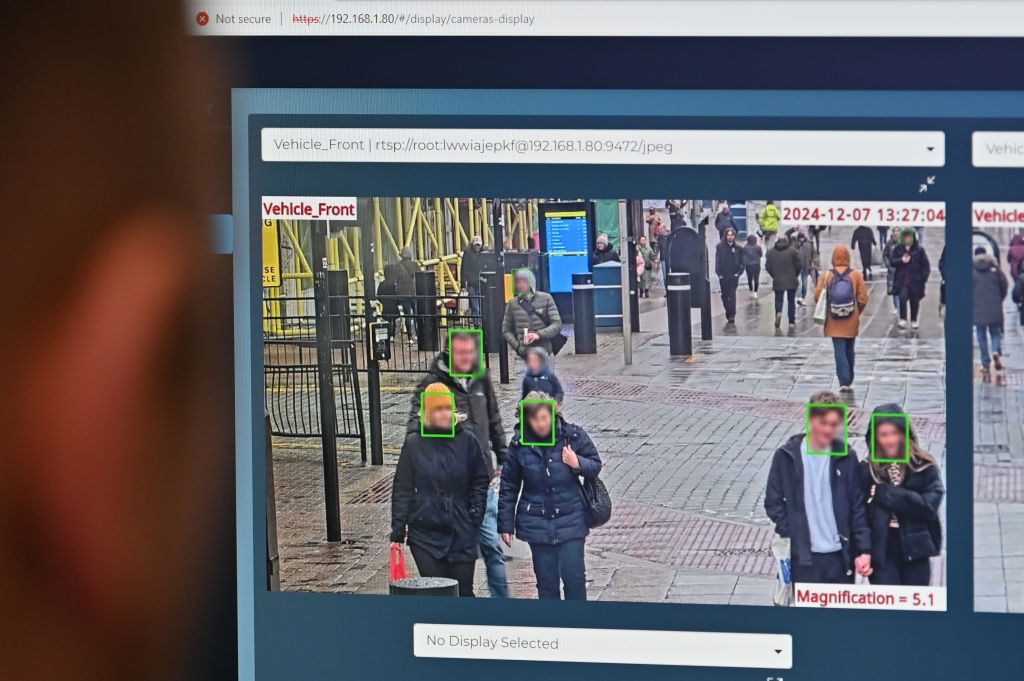
Starting on October 12, 2025, Canadians traveling to the European Union will encounter significant changes as the EU’s Entry/Exit System (EES) comes into effect. This major shift will replace traditional passport stamps with biometric checks, including fingerprints and a digital photograph. The new system is designed to streamline border control processes, reduce fraud, and improve overall security, ensuring that non-EU travelers, including Canadians, are accurately tracked.
This system is being rolled out gradually, with biometric screening taking place at 29 Schengen Area countries. The EES will not only mark the end of the passport stamp process but also introduce more automated entry and exit procedures, aiming to make border crossings more efficient for both travelers and authorities.
What the New Biometric System Entails for Canadian Travelers
Under the EES, Canadians will be required to provide biometric data when entering any of the Schengen Area countries. This includes submitting fingerprints and having a facial photograph taken at the border. The shift is expected to be especially noticeable for Canadians making their first entry into the Schengen zone after the system is activated. For those who have already entered Europe under the new system, the process will be faster as their biometric data will already be stored in the EES database, allowing for quicker verification upon re-entry.
Travelers are encouraged to prepare for this transition, as it will change how they interact with border controls in Europe. While this system promises to expedite future crossings, longer wait times are anticipated for those entering for the first time as the new digital registration process unfolds. Additionally, more automated gates will be used, helping to streamline the flow of travelers and reduce the need for manual passport checks.
Key Dates and Phased Rollout of the EES System
The new biometric entry system will first be implemented on October 12, 2025, at select European airports, ports, and land border crossings. Over time, additional locations will adopt the new system, with full implementation expected by April 10, 2026. During this transitional period, passport stamps will still be used as a backup, as some travelers may enter through biometric-enabled checkpoints but exit through locations not yet equipped with biometric systems.
Travelers from Canada and other non-EU countries will need to be prepared for these new procedures when visiting Europe. Those arriving after October 12, 2025 will need to complete a digital registration that includes both fingerprinting and facial data. The self-service kiosks and mobile applications provided by some countries will make this process smoother, though direct interaction with passport control officers will still be required.
Why Europe Is Implementing the EES System
The EU’s Entry/Exit System was introduced primarily to strengthen border security, combat illegal migration, and enhance the ability to track the duration of stays for non-EU visitors. By digitizing and storing biometric data, the EES will ensure that the system is both accurate and secure. The switch from physical passport stamps to biometric records aims to reduce instances of fraud, speed up border checks, and enable more accurate data collection.
This system is not the first of its kind globally. Other countries, including the U.S., Australia, and various Asian nations, have already implemented similar biometric entry systems. These systems have proven effective in managing the flow of travelers and improving border security, and the EU hopes to achieve similar outcomes with the introduction of the EES.
What Canadians Need to Know About the New Travel Rules
The EES will require all Canadian travelers to undergo biometric screening when entering the Schengen Area. Travelers will need to:
- Provide personal information at their first entry point.
- Have their fingerprints scanned and a facial photograph taken.
- Submit their biometric data into the digital system, which will be stored for future reference.
For repeat travelers who have previously provided their biometric data, the process will be much quicker, as their details will be stored in the EES database and easily retrievable. However, there may be rare instances where data needs to be updated or recollected.
Canadian biometric passports may also allow travelers to bypass some of the manual checks, further expediting their entry process. Travelers will still need to meet with a passport control officer at some points during their journey.
Schengen Area: Understanding the Region and Its Importance
The Schengen Area is a region of 29 countries that have agreed to allow free movement between them without requiring border checks. It includes 25 EU member states, as well as Iceland, Norway, Switzerland, and Liechtenstein, which are non-EU countries that also participate in the agreement. Some of the key countries in the Schengen Area include:
- Germany
- France
- Italy
- Spain
- Greece
- Netherlands
- Sweden
- Norway
Travelers from Canada will need to follow these new biometric procedures when entering any of these countries, meaning they will be subject to the same Entry/Exit System rules in every Schengen member state.
Expected Benefits of the Entry/Exit System for Canadian Travelers
The EES is expected to bring several benefits to Canadian travelers. These include:
- Faster border checks: With automated biometric verification, the need for lengthy passport checks will decrease.
- Improved security: By using biometric data, the risk of fraud will be minimized, and the identification of overstays will be more accurate.
- Reduced wait times: As travelers’ biometric data will be pre-registered, repeat visits to the Schengen Area will be more efficient.
- Transparency: The system will provide clearer records of entries and exits, helping travelers understand their entry status more easily.
Potential Challenges for Canadian Travelers
While the benefits of the EES are clear, there are also some challenges that Canadians should be aware of:
- Initial registration: Travelers will experience longer processing times on their first entry into the Schengen Area.
- Privacy concerns: Some travelers may feel uneasy about their biometric data being stored in a global database.
- Technology glitches: As the system is rolled out gradually, travelers may experience technical issues at border crossings, leading to delays.
A New Chapter in European Travel for Canadians
As the Entry/Exit System is rolled out across the Schengen Area, Canadians will need to adjust to the new biometric entry requirements. The transition will bring many advantages in terms of speed, security, and efficiency, but it will also require travelers to become familiar with the new process. Canadians will need to be proactive in preparing for these changes, ensuring they are ready for the biometric screening required when entering the EU.
The new system is expected to enhance the overall travel experience for both Canadian citizens and European authorities, fostering better management of travelers and improving border security. While the EES marks the end of the traditional passport-stamping process, it paves the way for a more secure and streamlined future for international travel.
[Source: Timeout]

link