European Union to Replace Passport Stamps with New Biometric System at Major Airports in Paris, Frankfurt, Amsterdam, and Other Schengen Zone Borders

Tuesday, July 22, 2025

From October 12, 2025, international visitors to the Schengen Area, which covers key aviation hubs such as Paris Charles de Gaulle, Frankfurt and Amsterdam Schiphol, will experience a major shift in the recording of their entries and exits. Transition for bus operators with no passport stamps The European Union’s Entry/Exit System (EES) will turn the page on passport stamps, replacing them with biometric data harvesting, and making the border check process faster, safer and more seamless for visitors to the continent.
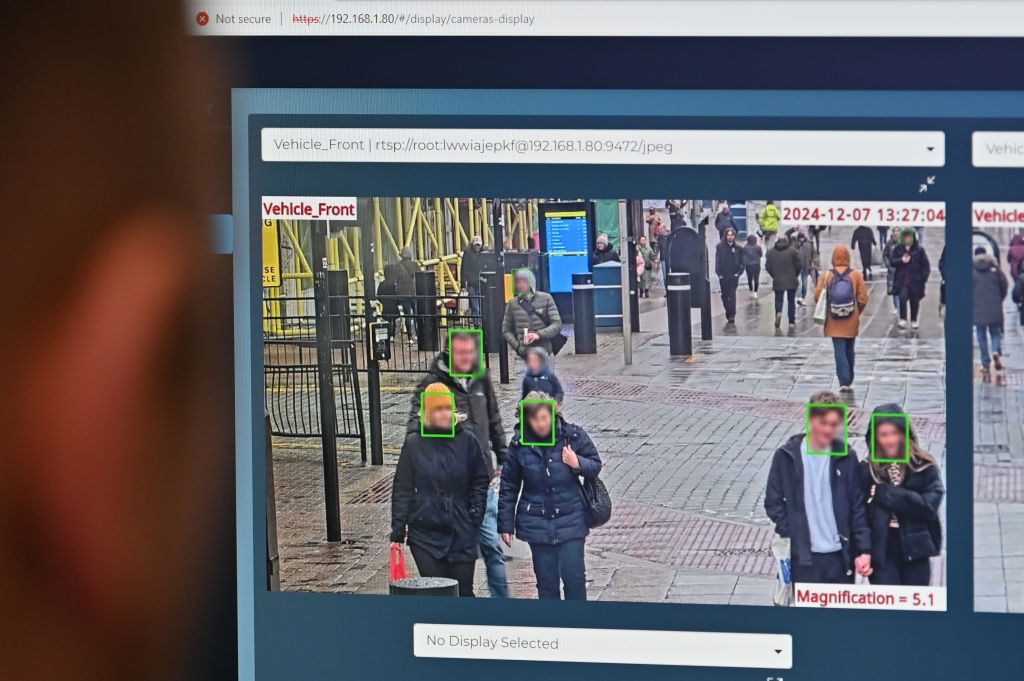
This move towards biometric identification is expected to improve security and facilitate the management of the Schengen Area’s borders. Aside from the border changes, travelers will no longer get stamps placed in their passports upon entering and leaving the EU, since they will instead be subjected to biometric checks — meaning a fingerprint and a facial scan. This transition will help streamline and modernize the process to provide faster, more accurate processing, create a safe and secure process while minimizing the risk of human and document fraud.
The EES has been hotly anticipated, originally due to come online in 2024 but pushed back to October 2025 because of technical and logistical issues. It will apply in full by April 2026 and pave the way for a revolution in border processing. For travelers, that means faster, warmer and less disrupted experiences, especially in major transportation hubs in cities like Paris, Frankfurt and Amsterdam. But this change also means the demise of the beloved passport stamp: a souvenir familiar to many international travelers as a relic of their treks.
In this article we unpack the what, when, how and why of this move towards biometric border control, as well as what those travelling can expect, directly and indirectly, in the months and years to come.
The End of Passport Stamps: Why the EU is Making This Change
The European Union’s decision to phase out passport stamps comes as part of its broader strategy to modernize its border control procedures. With growing concerns about security, efficiency, and the ability to manage increasing volumes of travelers, the EES offers a technological solution that integrates biometric data into the border control process.
For years, the EU has been using biometric passports, which contain digital information about the traveler, such as a facial image and fingerprint. With the introduction of the EES, the EU is now seeking to take this technology a step further by automating the entry and exit process, eliminating the need for manual passport stamping at borders.
Rather than relying on a physical stamp, travelers will now have their fingerprints and facial images scanned when they enter or leave the Schengen Area. This data will be stored in a secure system, allowing border authorities to track entries and exits more accurately and in real time. This new system aims to reduce the risk of illegal immigration, enhance the safety of EU borders, and make the entire process more efficient for both travelers and border control authorities.
How the EES Will Work: A Closer Look at the Biometric Process
Once the EES is fully operational, travelers arriving in the Schengen Area will no longer be asked to present their passport for a traditional stamp. Instead, they will use biometric gates at airports, seaports, and land borders. These gates will scan travelers’ fingerprints and facial features, creating a digital record of their entry into the region.
For travelers with biometric passports, the process will be quick and easy, with the data being cross-checked against the secure EU database in seconds. For those without biometric passports, additional steps will be needed, and travelers may have to undergo manual processing, which could take longer. This distinction will be important for frequent travelers, who are likely to benefit from faster processing through self-service gates.
The system will also track departures, meaning that travelers will no longer need to manually check out when leaving the Schengen Area. By cross-referencing the data collected during entry with the exit records, border authorities will be able to confirm that a traveler has left the area and, if necessary, ensure that their stay was within the legal limits.
The Role of ETIAS in Complementing the EES
While the EES is a game-changer for border control, it is not the only new system being implemented in the Schengen Area. The European Travel Information and Authorization System (ETIAS) will be rolled out in parallel, although it is a separate system from the EES.
ETIAS is a pre-screening mechanism that will require travelers from over 60 visa-exempt countries to obtain authorization before traveling to the EU. The aim is to assess travelers’ risk factors before they even board a plane, helping prevent individuals with security concerns from entering the region.
Although the EES and ETIAS work separately, together they will form the backbone of the EU’s new, digital border control infrastructure. The combination of biometric data collection through the EES and pre-travel screening via ETIAS is expected to significantly enhance security, reduce illegal immigration, and streamline the travel experience for millions of visitors each year.
Benefits of the New System for Travelers
The shift from passport stamps to biometric identification is designed to make border processing faster, smoother, and more secure. Here are some key advantages:
- Faster Processing Times: By automating the entry and exit process, the system will help reduce long lines and wait times at border control. Passengers who use biometric passports will experience even faster processing through self-service gates.
- Improved Security: Biometric data is more secure than traditional passport stamps, reducing the risk of identity fraud and document tampering. This also makes it easier to track illegal stays and potential security threats.
- Convenience for Frequent Travelers: For those who travel often, the new system will simplify border control, making the process quicker and more efficient, especially at major airports like Paris Charles de Gaulle and Frankfurt.
- A Greener Future: The digital system reduces the need for paper-based documentation, contributing to a reduction in waste and supporting the EU’s sustainability goals.
What Does This Mean for Travelers Collecting Passport Stamps?
For many travelers, passport stamps are more than just an administrative formality—they are a cherished memento of their travels. Whether as souvenirs from different countries or as personal markers of achievement, stamps have long been a part of the travel experience. With the introduction of the EES, these physical stamps will be replaced by digital records, leaving some nostalgic travelers longing for the days when stamps filled their passport pages.
However, the benefits of the new biometric system outweigh these concerns. The streamlined, faster process will ultimately create a more efficient travel experience, even if it means losing the tangible mementos.
Conclusion: A Step Towards the Future of Border Control
The EU’s move to replace passport stamps with biometric data collection is a significant step towards modernizing border control and creating a more secure and efficient travel experience. With the implementation of the Entry/Exit System (EES) and the upcoming European Travel Information and Authorization System (ETIAS), the future of border management looks much more digital, secure, and automated.
For travelers, this means faster processing times and a more secure entry into the Schengen Area, although the beloved passport stamp will become a thing of the past. With full operational status expected by 2026, this transformation marks the beginning of a new era for international travel in Europe.
Tags: amsterdam schiphol, biometric, EU, europe tourism news, European Travel news, European Union tourism news, france, France Tourism News, frankfurt airport, germany, Germany Tourism News, Netherlands, schengen area, Travel News

link