Gendering robots is limiting technological and societal progress | Opinion
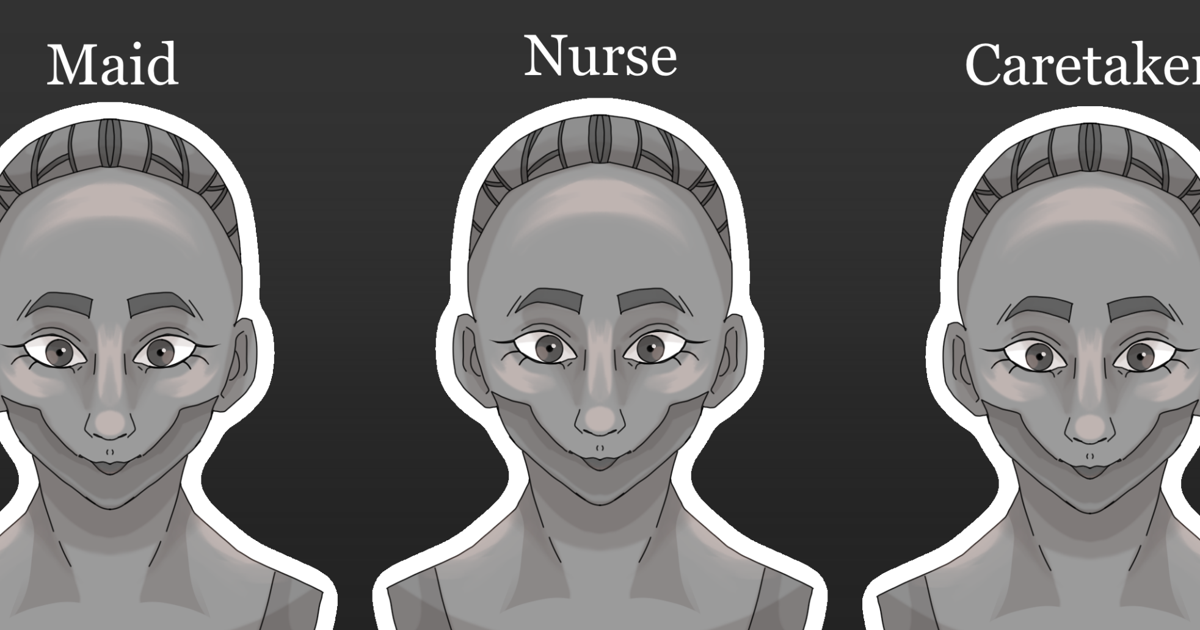
Anyone who interacts with technology in the 21st century recognizes the iconic voices of virtual assistants Siri and Alexa—or can recall the faces of some of the first globally known robots like Sophia or Nadine. In addition to being regarded as technological advances, they are all distinctly recognized by their female characteristics and demeanors.
As technology only continues to advance and breakthroughs in software engineering lead to more sophisticated feats in computer design, gender and cultural biases should not limit or even influence the creation of new technology.
Not only is assigning and designing robotics, technology and software based on gender extremely restrictive in innovating breakthroughs that are unencumbered by human biases, but it also works toward reinforcing harmful stereotypes of gender roles and expression.
At the largest gathering of humanoid robots, which occurred in July 2024 by the United Nations to demonstrate to the world a wider expanse of Artificial Intelligence applications, the majority of robots present at the convention were noted to be distinctively female or female-presenting.
This international demonstration of some of the world’s most advanced scientific accomplishments was starkly eclipsed by the lack of equal representation of gender in their creations.
Only one robot at that conference was explicitly male, mainly because it was purposely designed to replicate its maker. This was not because the design team believed that a male presentation would best suit its public reception, which is, unfortunately, the weak reasoning most robots have for gender creation.
Even the world’s first humanoid robot artist, named Ai-Da, made an appearance at the convention. The robot is equipped to capture images using a camera located within the eye to create singular artworks. Ai-Da was also designed to sport a brown bob haircut and a feminized body, two defining characteristics the public now identifies this robot by.
When programmers and roboticists are pressed on why they would choose to cast their creations solely in femininity, the most easily thrown-out explanation is that people are more receptive to female assistants and voices.
According to Adapt, a digital performance marketing agency, studies have found that humans innately prefer a female voice. They also claim that there are predominantly more text-to-speech systems already trained on female voices, so there is more material to create female AI than male AI. This makes choosing whether to use a female mouthpiece for a new invention easier for the engineers.
Despite these reasons, the fact still remains that making virtual assistants or a new line of servile robots solely one gender will reinforce stereotypes and societal implications of gender expression and roles, such as females being regarded as being more suited to customer service or caregiving roles in society than men.
These robots and computer software are being encased in female forms for all of history to witness the cultural gender biases that men in this century have against women, especially the men who designed and programmed these pieces of technology.
“The vast majority of people who have shaped these products are men with great gender and cultural biases,” said Co-founder of the Women’s Tech Association, Cristina Aranda, in an interview with El País. “In the end, the decisions that programmers make when creating these devices are based on their belief system, and if they have always seen women as assistants, they will reflect this in their AI.”
Equal representation in voice assistants and the newest breakthrough robots is necessary to avoid objectifying a gender or slating one gender as being distinctly servile.
Utilizing a diverse range of voices when designing a new voice assistant and not defaulting to a singular gender would be a step in the right direction for the next generation of voice assistant software. Even designing an assistant that is completely gender neutral could open the doors for creating new opportunities in technology by pushing the boundaries of innovation past what is already established.
“Conversational voice assistants are frequently feminized through their friendly intonation, gender names, and submissive behaviors,” said Amama Mahmood, a doctoral computer science student at Johns Hopkins University, in an article for HUB. “As they become increasingly ubiquitous in our lives, the way we interact with them – and the biases that may unconsciously affect these interactions – can shape not only human-technology relationships but also real-world social dynamics between people.”
Technology affects society more than simply streamlining math calculations or providing weather predictions for the day. These programs and robotics can shape ideas of identity, behavior, and societal expectations in light of how they depict themselves. If they reflect gender biases, then that will be all that defines both creation and creator for generations to come.
link