Taking control of your identity: digital technology as an enabler of trust

By Nathalie Gosset, VP, Identity and Biometric Solutions, Thales
International Identity Day is celebrated on 16 September each year. As this date approaches again, we would do well to reflect on the fact that our identity is more than a set of documents, numbers and data. It’s the invisible force that governs every aspect of our lives – and the gateway to our rights, opportunities and dignity. Yet fraud and identity theft are very real and growing threats in today’s increasingly digital world. That’s why secure, inclusive identity solutions that respect individual freedoms are more important than ever.
Identity as a fundamental human right
According to a recent United Nations report, over 800 million people globally don’t possess proof of legal identity, meaning they can’t vote, work, access healthcare or open a bank account. Governments and businesses alike have recognized identity as the key that opens the door to our most basic rights, and are racing to offer solutions – from electronic ID cards to biometric passports and digital wallets. In each case, the goal is the same: to make identity accessible everywhere and to everyone, without compromising on trust and security.
The EU Digital Identity Wallet, or EUDI Wallet, is a case in point. Once the initiative is fully rolled out, citizens will be able to store and share official identity documents – ID cards, driving licenses, degree certificates and more – straight from their smartphone. This ultra-secure solution, which emphasizes user control, promises to make tasks like applying for a permit, accessing public services or verifying our age online easier, faster and, above all, more secure.
Why trust matters in the digital age
Digital transactions are part and parcel of everyday life, whether we’re logging in to a government website, paying for a purchase or filling out an online form. But these billions of daily transactions raise a crucial question: how can we be sure that the person on the other side of the screen is who they say they are? The answer lies in striking the right balance between strong security and user-friendly design. And that’s exactly what current technologies are built for: keeping our personal data and identity protected against fraud, theft and forgery while offering a smooth, intuitive user experience.
Yet trust, like Rome, can’t be built in a day. It takes consistent effort – and human-centred innovation. In Europe, we’re fortunate to have the AI Act, the GDPR and other pioneering regulations that govern the ethical use of AI and biometrics. Adhering to these frameworks is a must for any responsible business. When used sensibly, biometrics, digital identity wallets and AI can make authentication both more secure and more natural. For instance, AI-enabled “liveness detection” systems can determine whether someone trying to verify their identity remotely is, in fact, a real, live person – an essential safeguard in the age of deepfakes and synthetic identity fraud.
Digital identity: balancing security and freedom
Legitimate concerns around the roll-out of digital identity technologies – especially when it comes to surveillance – deserve an unequivocal response: identity should be about empowerment, not control. That’s why the most advanced systems build in technical and ethical safeguards from the outset: strong encryption, data minimisation, transparency about how data is used, and strict regulatory compliance. Some European countries go further still, giving citizens a detailed record of who accessed their identity data, when, and for what purpose. This kind of transparency is essential to building long-term trust.
Estonia is a pioneer in digital identity. For more than two decades, its citizens have been able to use an electronic ID card to access over 3,000 online services, from voting and filing tax returns to accessing medical records. Every transaction is secure and traceable, and users retain full control over their data. The Estonian model proves that innovation, security and individual freedoms are not mutually exclusive aims.
Biometrics and liveness detection: the new frontier of digital security
Biometric technologies such as facial and iris recognition and digital fingerprints represent a major step forward, promising to make our lives easier while raising the bar for security. But they also present new challenges, not least because our most intimate information is prone to compromise. That’s why best practice calls for biometric data never to be stored in raw format, but instead to be converted into encrypted templates that can’t be reverse-engineered – and for additional safeguards such as multimodal authentication and the option to revoke access.
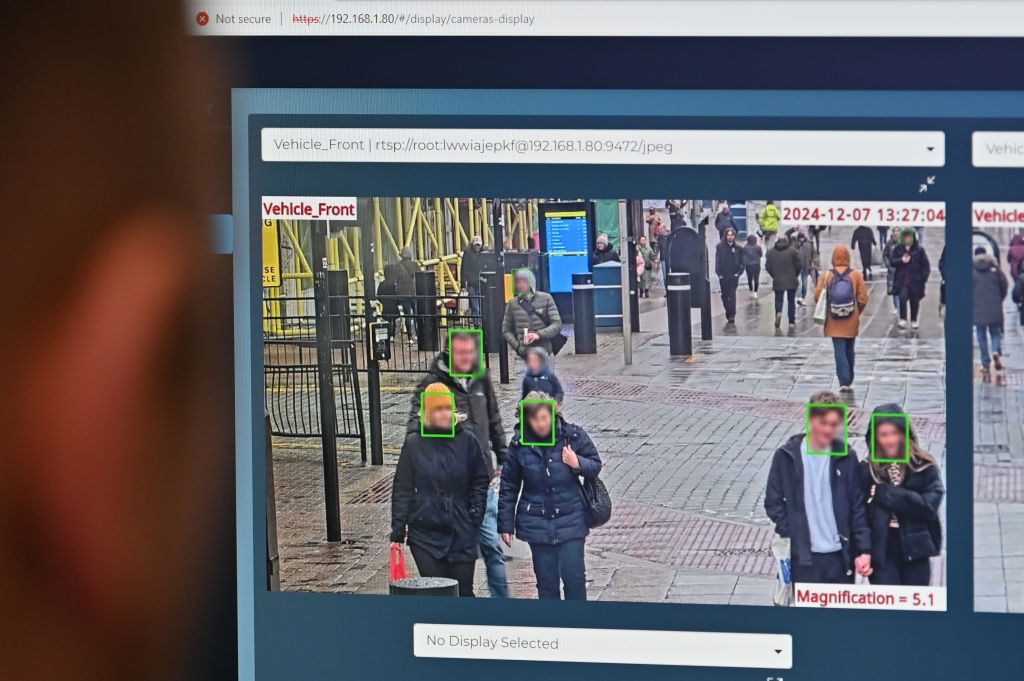
But how, in today’s digital world, can we be certain that someone is truly human and not a bot or a synthetic user? The answer lies in advanced AI-powered detection systems – widely used tools that can detect even the most sophisticated attacks, such as “morphing”, where multiple images are merged to create fake ID documents. Technologies like these play a decisive role in protecting borders, financial transactions and online platforms without infringing on our privacy.
Building the future together
Trusted identity isn’t just a public-sector issue. It’s also a potential game-changer for business. Imagine being able to use your government-verified identity – securely and with your consent – to open a bank account, sign a contract or access healthcare, all from your smartphone. That’s exactly what lies in store with digital identity wallets, which promise to make our lives easier while giving us complete control over our data.
As we celebrate International Identity Day, we should think of identity solutions not as a mere tools, but rather as guardians of our rights and our privacy – and as windows of opportunity. As recent advances in technology have shown, security and innovation are, in fact, two sides of the same coin. Together, let’s build a future where we can go about our daily lives without worrying about fraud and identity theft. Let’s build a future we can all trust.
About the author
Nathalie Gosset is VP Identity and Biometric Solutions at Thales. She has more than 20 years’ experience in business management, sales, marketing and project management in both civil and military domains.
Article Topics
biometrics | digital identity | digital inclusion | International Identity Day | legal identity | Thales Digital Identity and Security
link