Tech is the key: 64% of passengers okay with biometrics for shorter lines at airport

Tech is the key: 64% of passengers okay with biometrics for shorter lines at airport
In 2023, air travel soared, surpassing industry expectations. IATA predictions suggest that demand will only continue to grow, reaching 8 billion global passengers by 2040. Ensuring the passenger journey is smooth and efficient will be more important than ever for the industry to manage this growth. According to SITA’s newly released 2024 Passenger IT Insights report, travellers see technology as the key, embracing innovations like mobile-enabled Digital Travel.
SITA surveyed more than 7,000 passengers across 25 countries in the Americas, Asia, Europe, Middle East, and Africa in Q2 of this year as part of the 2024 Passenger IT Insights research.
Here are some of the report’s top findings:
Sustainability: Travellers are willing to pay an average of 11% extra to offset carbon emissions and are making changes like taking longer flights at lower speed or lighter baggage to reduce their carbon footprint.
Digital travel: Digital travel is here to stay. 90% of passengers use tech for bookings. They also rely heavily on mobile devices during dwell-time and on-board. Plus, three in four passengers are comfortable storing their passports on their phone. This shows how important digital travel credentials (DTCs) are!
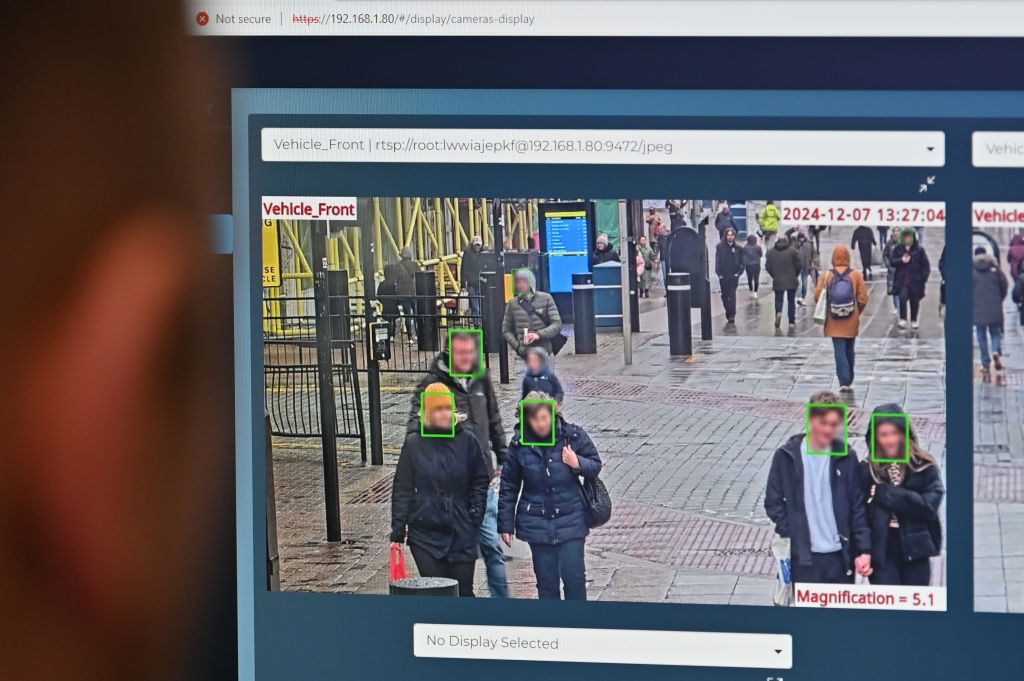
Anxiety about biometrics: 6.7 out of 10 passengers are comfortable with digital identity and biometrics. 64% of passengers say the most important factor they’d like to see improved in the travel process is shorter waiting lines at the airport. And biometrics would solve just that. Privacy concerns are still a hurdle though. There’s a need for education and reassurance about the safety and benefits.
Passengers already use their mobile devices as a remote control for the journey, with high adoption across key stages like booking, dwell time, and baggage collection. According to SITA, taking this a step further, a full three out of four passengers surveyed reported being comfortable with having their passport stored on their phone through a secure Digital Travel Credential and sharing this in advance to speed up the journey. This signals the hugely important role digital identities will play in the travel experience of the future. 64% of passengers highlight shorter airport queues as the most important improvement to the travel process they’d like to see. Biometrics have been proven to speed up passenger processing times, but half of passengers express lingering concerns around data privacy.
The report also points to a clear need for education and reassurance about the safety and benefits of biometric technology, which are tested against rigorous data security standards. Still, passengers rate their comfort levels with biometrics relatively highly, at an average of 6.7 out of 10.

David Lavorel, SITA CEO, said: “We are on the cusp of a new era in travel, as unprecedented demand converges with technological innovations that have the power to revolutionize the journey. The appetite from passengers is clear: they’re eager to embrace the latest digital solutions to make their experience swifter and more streamlined than ever before. The responsibility falls to the industry to ensure travelers are fully informed of the advanced data security and privacy-preserving potential of biometrics.”
Sustainability remains front of mind for passengers, who are willing to take on extra commitments in terms of cost and time in order to make their travel greener. They’re willing to pay an average of 11% on top of their ticket cost to offset their flight’s carbon emissions. More than half are also open to taking longer flights at slower speed or carrying lighter baggage to reduce their carbon footprint.
“Passengers are telling the industry that they are willing to meet us halfway in terms of the shift towards net-zero aviation. Their openness to carbon offsetting and changing behaviors around baggage will supplement airlines’ and airports’ commitment to reducing emissions through measures like sustainable technology and changes to operations and infrastructure,” Lavorel added.
Download the full report for more.
link