Technology News | TechHQ | Latest Technology News & Analysis
- Public safety, counter-terrorism, and defence sector technologies in increasing demand.
- Surveillance, IoT, and data analysis used by several sectors.
- Smart cities and rising terror events drive growth.
The latest Counter Terror and Public Safety Technology – Global Strategic Business Report has been released, projecting the global market value of the sector to hit $532.3 billion by 2030, up from an estimated $213.3 billion in 2023. This equates to a CAGR (compound annual growth rate) of 14.0%, indicating a rapid expansion in this subsection of the cybersecurity, security, surveillance, and associated technology market.
The US and Chinese markets alone were estimated to be worth $58.7 billion in 2023, and are together forecast to grow at 13.0% CAGR, reaching $80.0 billion in value by 2030. Canada and Japan are other noteworthy geographic markets, estimated to grow at 11.3% and 12.5% respectively over the period. In Europe, Germany may see a market value increase of around 9.7%.
Counter-terrorism, smart cities, and crime
There are several factors driving the rapid growth of the counter terror and public safety technology market, including the growing rate of worldwide terrorist attacks, technological advancements in detection and surveillance systems, and increased government spending on defence and security.
There is distinct trend for the use of real-time security systems to combat security concerns, with the report quoting a growing number of cyber-terrorism and independent terrorist attacks as a possible cause for the market’s rapid growth.
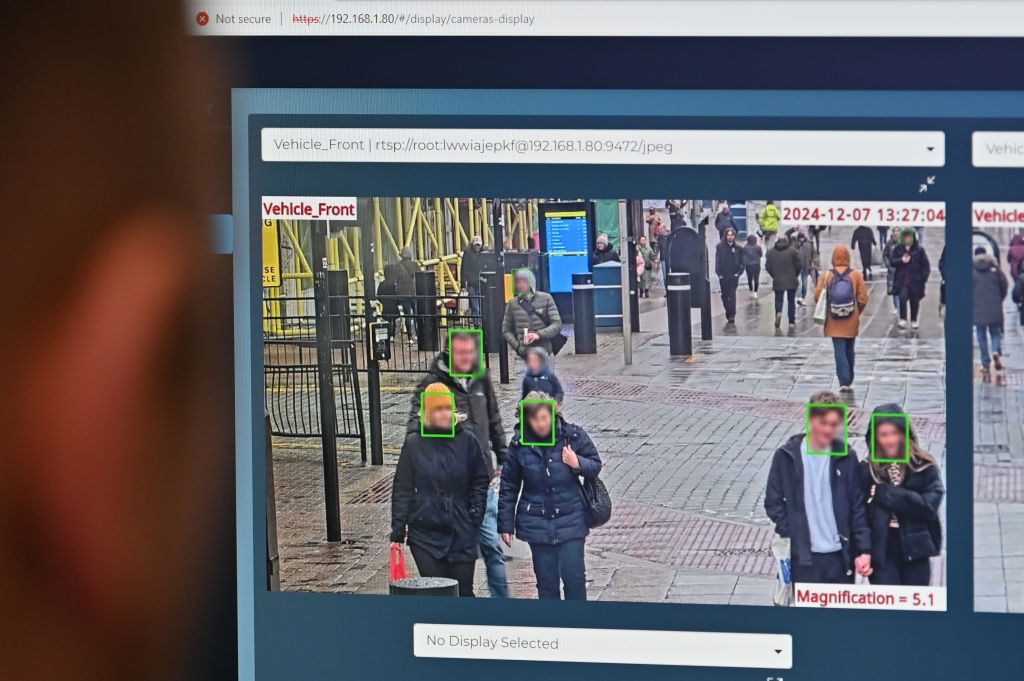
Another catalyst in the increased demand for surveillance and security technology is the expansion and adoption of smart city initiatives. These are designed to improve public safety using technologies like heat and IR sensors, cameras, and other IoT devices, plus associated data analysis and storage systems. The report notes that modernising cities are a significant contributor to the market’s overall growth.
Other factors include the increased ease of use and reduced cost of data analytics, AI systems, and automation. AI vendors are keen to extol the possibilities of their technology, with claims that machine learning can enhance threat detection, lower organisations’ running costs, and “improve decision-making” in matters of public safety and security.
The security and defence technologies sectors are able to cross-sell their products, seeing an increased integration of counter-terror and public safety tech: Security tools can be used in multiple areas.
Both government and law enforcement agencies are responding to evolving threats with increased investment in technology, including systems in emergency response operations and traditional cybersecurity, the report states.
Other sectors
Other sectors driving the market’s growth include transport, energy, and financial services, which are increasing their adoption of pure-play cybersecurity defence systems. Businesses in the private sector, particularly those operating in high-risk industries like transport (airlines, railways), and mass gatherings (concert venues, stadiums), are spending substantial amounts on new security technologies to prevent and reduce potential risks.
According to the report, AI and machine learning innovations are felt by users to improve threat detection and surveillance capabilities, thanks to their ability to analyse large amounts of data.
At the heart of emerging services and systems are biometric technologies, like fingerprint scanning and facial recognition. Such tools are commonly used by law enforcement and border control officers to improve overall security. Increased use of unmanned aerial vehicles (UAVs) and drones is noted in the report, with these types of device more widely deployed to monitor public events and provide better intelligence in support of ground operations.
According to the report, the electronic fencing technology sub-segment (security systems that use electronic barriers, sensors, or virtual fencing) is set to grow worldwide at 12.5% CAGR by 2030, showing an increased demand for automated, security solutions in areas deemed high-risk.
The counter-terrorism and public safety market continues to be shaped by technology advances, and the market for counter-terror and public safety platforms continues to grow.

link