U.S. And Canadian Travelers Agree On One Major Change To Fix Border Crossing Issues
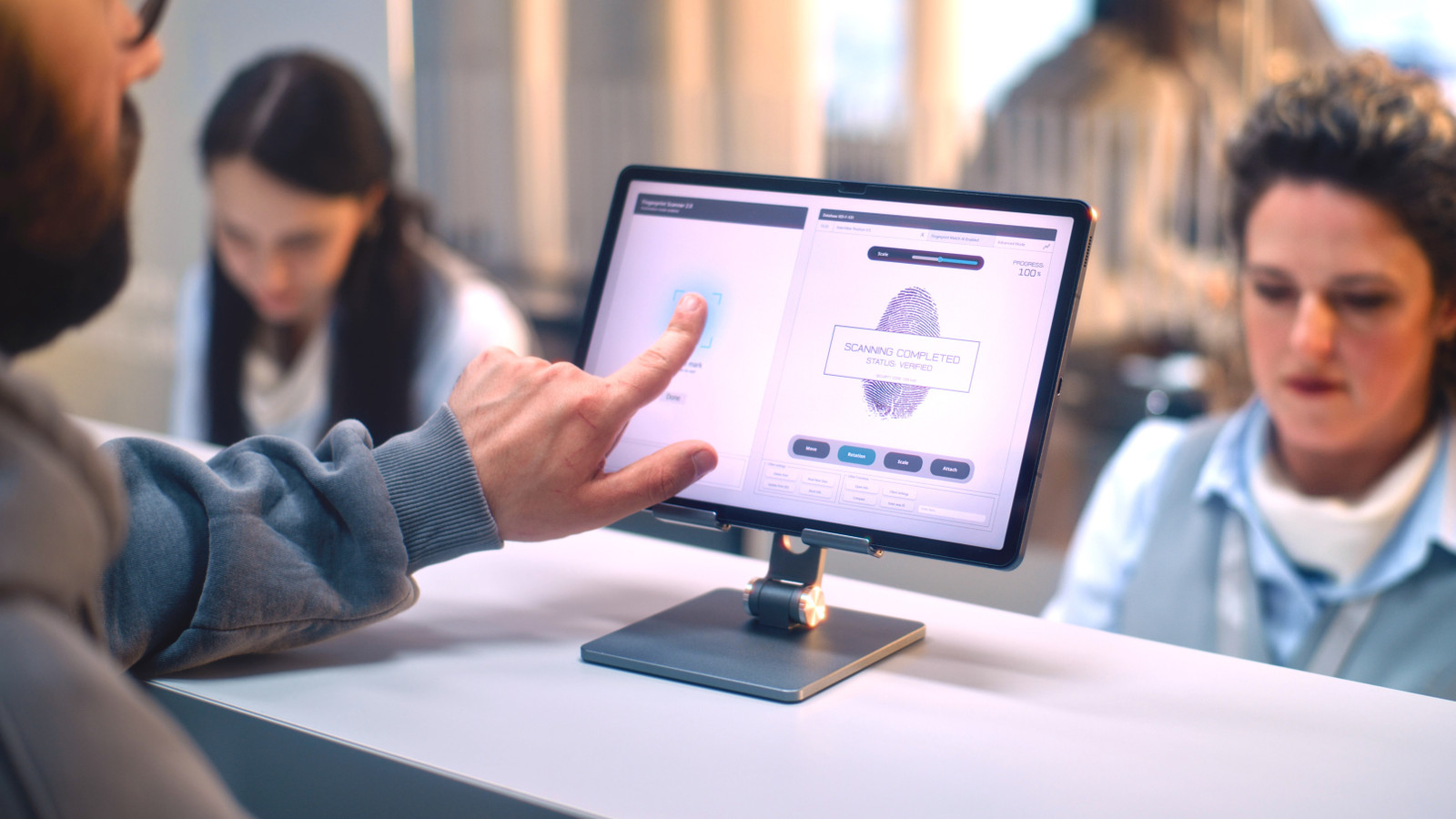
For travelers, a country’s border is often their first real impression. Whether it’s waiting in line, showing a passport, or walking through a facial-recognition scanner, the experience can set the tone for the entire trip. However, travelers are starting to notice the difference between borders that use touchless identity verification and those that still rely on paper forms.
Across North America, that divide is becoming clear. The United States has already embraced biometric screening, while Canada continues to debate how to modernize. Nonetheless, travelers in both countries seem to agree on one thing: border systems must evolve to keep up with the growing travel industry.
Here’s how biometric screening is helping governments strengthen their borders, and what travelers are saying about it.
The WTTC Says Embracing Digital Technology And Smarter Visa Policies Can Strengthen Borders

According to a recent report from the World Travel & Tourism Council (WTTC), created in partnership with SITA, modernizing visa systems and embracing digital border technology could inject $401 billion into the global economy and generate 14 million new jobs across G20, EU, and African Union nations by 2035.
“Technology now allows us to achieve what was once thought impossible: stronger borders and smoother travel. By embracing digital identities, biometrics, and advanced data systems, countries can make journeys faster and more secure at the same time,” said WTTC Interim CEO Gloria Guevara in a press release.
The report, titled “Better Borders,” also describes how outdated border control systems are hindering security. By replacing paper-based processes with fully digital systems, governments can create borders that are both secure and seamless. To achieve this, the WTTC recommends that countries follow its Six Principles for Better Borders, divided into two key areas: Visa and Travel Authorization, and Digital Border Technology.
Six Principles For Better Borders:
|
Visa and Travel Authorization: |
|
|---|---|
|
Digital Border Technology: |
|
Several countries, including the United States, have started following these principles and are seeing success.
The U.S. Is Already Seeing The Benefits Of Modernizing Its Border System
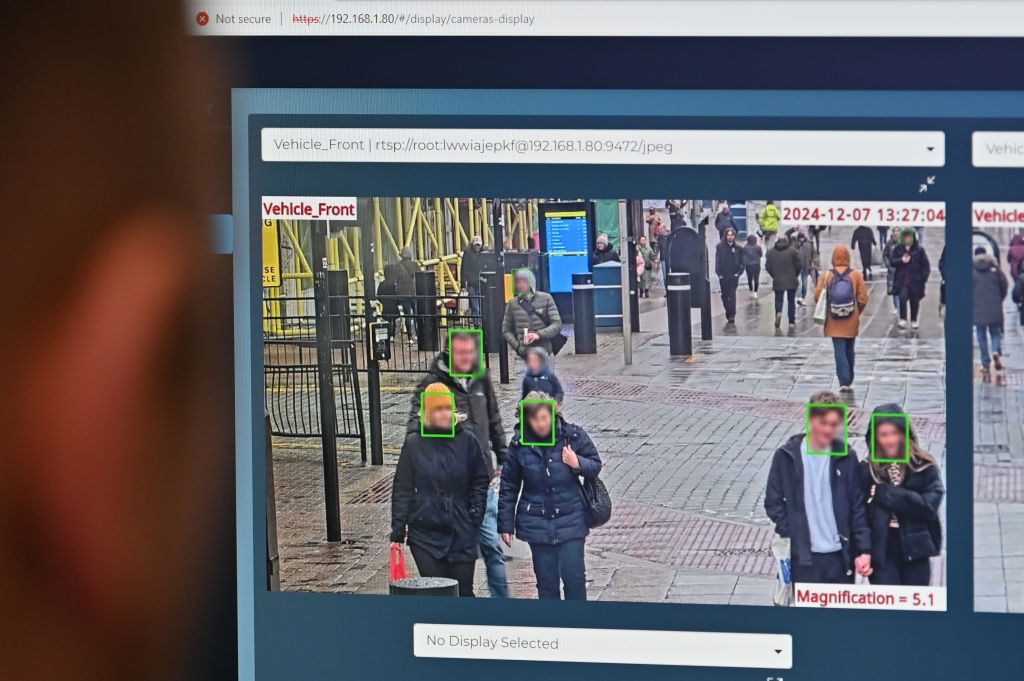
In 2025, the United States Customs and Border Patrol (CBP) used biometric facial comparison technology at 238 airports. These systems allow travelers to verify their identity in seconds through the Global Entry and Seamless Border Entry (SBE) programs.
CBP’s Global Entry program, which has 13 million members across more than 20 countries, allows pre-approved, low-risk travelers to enter the U.S. through touchless facial recognition portals. The process takes seconds and is available at 80 airports within the country, as well as at preclearance facilities in Canada, Ireland, and Abu Dhabi.
The SBE program, on the other hand, gives international travelers with a Global Entry membership a fast, touchless way to enter the U.S., using “On the Move” biometric technology. However, as of 2025, SBE is only available at major airports, including LAX, Miami, Dulles, Chicago O’Hare, Newark, Houston, and Toronto Pearson.
America’s busiest airports are already seeing the impact of CBP’s biometric modernization. At Los Angeles International Airport (LAX), the Enhanced Passenger Processing (EPP) system has cut average wait times by nearly 25%. At Chicago O’Hare (ORD), automated facial recognition has sped up screening dramatically—reducing the average processing time for U.S. citizens from about 60 seconds to just 10, a 74% improvement. Meanwhile, Atlanta’s Hartsfield-Jackson International Airport (ATL), the world’s busiest airport by passenger volume, has reported a 40–50% drop in wait times since adopting biometric systems in 2025.
Additionally, biometric facial comparison technology at seaports has reduced debarkation times by up to 30%, according to the CBP website.
The data shows that travelers are happy with these improvements as well. According to findings from the International Air Transport Association (IATA) cited in the WTTC’s “Better Borders” report, 75% of travelers now prefer biometric identification, and 85% are willing to share their immigration data in advance if it leads to a smoother experience. However, while the U.S. continues to invest in faster, more digital border processing, many Canadians say their own system feels stuck in the past.
Canadian Travelers Say It’s Time To Modernize Canada’s Outdated Border System
Experts are warning that Canada’s outdated border structure could create long-term security and efficiency issues. During a House of Commons security meeting in October, Mark Weber, National President of the Customs and Immigration Union, noted that the Canada Border Services Agency’s (CBSA) system needs to implement technology designed to help, rather than replace, officers—who are currently dealing with chronic understaffing.
“Technology is absolutely useful as long as the technology is there to assist the officer doing the work. When you get to the point where the technology is just replacing the officer and where you’re relying on people to self-declare to the technology, you’re not going to find anything,” he said.
A former Canadian border agent on Instagram expanded on the strain felt by employees—pressure that could be alleviated through an efficient border program.
“I worked there for 36 years. It’s not a toxic culture. But it is hard work mentally and physically… management is only worried about lineups, people [are] upset because they have to wait… There is a lot of pressure on staff,” they wrote.
Although Canada’s federal budget includes plans to strengthen border security, the government has not announced major changes to its biometric systems. However, Canadians on Reddit responding to new U.S. biometric requirements mostly expressed support for similar modernization at home. Some stated that they even preferred a more streamlined border process, such as Nexus, a program that allows pre-screened travelers expedited processing when entering the United States and Canada.
|
They wrote: |
|---|
|
“I had a worse time with CBSA crossing back into Canada this month than with CBP going to the U.S.” |
|
“Getting Nexus is worth it alone just to not have to talk to CBSA face-to-face much… Before I had it, it was always a game of 20 questions and always a rude tone.” |
|
“I was fingerprinted, photographed, and voice-printed in Manchester… It was a prompt process, courteous and professional.” |
Overall, both American and Canadian travelers are generally not opposed to biometric security. At the end of the day, all they want is a fast and streamlined border experience.
link