US National Parks Face Canadian Frustration Over New Fees and Biometric Technology, Here’s What You Need To Know

Friday, July 4, 2025

In 2025, Canadian tourists travelling to the US, and in particular its world-renowned National Parks, have been facing new difficulties with tourism statistics from Canada decreasing progressively. In turn, the majority of the Canadians are disgruntled with new measures, consisting of the potential uses of biometric technology and an unpopular foreign fee from tourists to the United States’ National Parks. With the agenda concerning the United States’ plans of privatization of certain parks and new fees potentially coming into effect as early as 2026, the situation has been of significant concern to the majority.
A Drop in Canadian Visits to the United States
In recent years, Canadian visits to the U.S. have been on the decline. A variety of factors, including economic conditions, political climate, and increasingly restrictive travel requirements, have led to fewer Canadians crossing the border to visit popular destinations, including National Parks. According to recent reports by Tourism Industry Association of Canada (TIAC), the decline in tourism from Canada to the U.S. has been particularly noticeable in the wake of evolving U.S. travel regulations.
Despite these challenges, the U.S. National Parks remain a popular destination for both American and international travelers. The parks continue to draw millions of visitors each year, but the introduction of additional fees and the possible implementation of biometric technology could impact future visitation, particularly for international travelers such as Canadians.
The Emergence of Biometric Technology
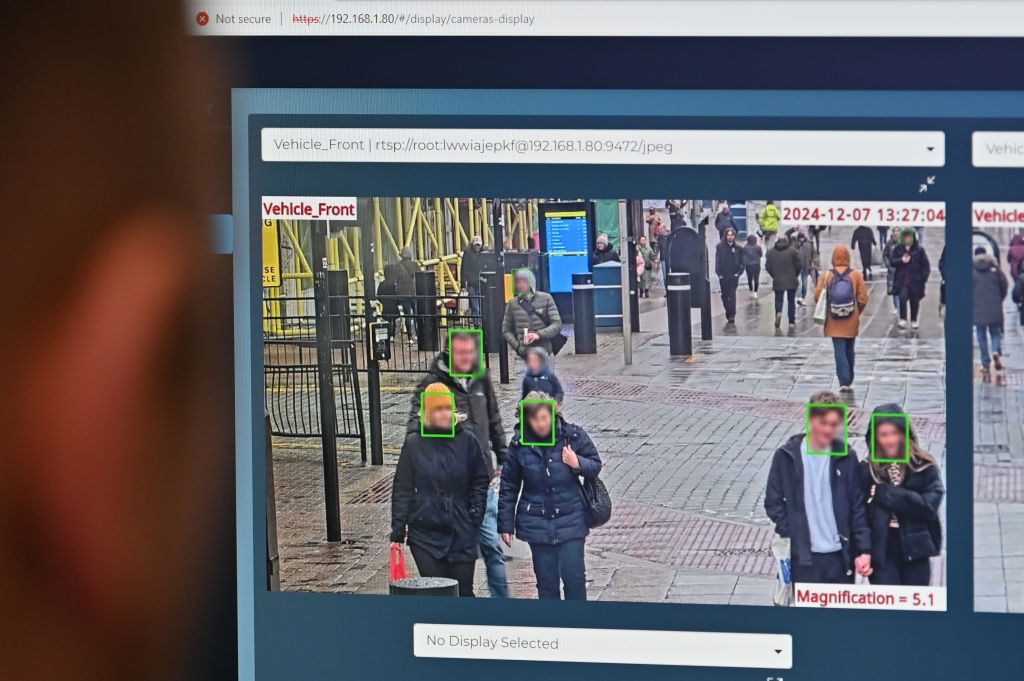
One of the most discussed potential changes is the introduction of biometric technology for ground travel between Canada and the U.S. This technology, which involves the use of facial recognition and other biometric identifiers, has been gaining traction in various sectors, including air travel, and the U.S. government has proposed expanding its use to land border crossings.
Canadians, however, have expressed significant opposition to the idea of facial recognition technology being used at U.S. entry points, especially for ground travel. Concerns over privacy, data security, and the implications of having personal biometric data stored have led to widespread criticism of the proposal. Privacy advocates have warned that such measures could lead to an erosion of civil liberties and greater surveillance of individuals traveling between the two countries.
While the U.S. government has touted biometric technology as a way to enhance security and streamline the travel process, Canadians have expressed doubts about its effectiveness and fairness. As of now, the future of biometric technology at land border crossings remains unclear, but if implemented, it could significantly impact the ease of travel for Canadians.
The Potential National Park International Fee
Another potential change that has caused frustration among Canadian travelers is the introduction of an international fee for visitors to U.S. National Parks. The proposal, which has been discussed by policymakers, aims to generate additional revenue for the maintenance and preservation of the parks, especially as visitation numbers continue to grow. The fee would likely be applied to international visitors, including Canadians, with the aim of offsetting the costs associated with park operations and conservation efforts.
Though proponents of the fee argue that it is necessary to preserve the National Parks and provide funding for infrastructure improvements, the idea has been met with resistance, particularly from Canadian tourists. Many Canadians feel that the imposition of an additional fee on top of the existing costs of travel and park admission would deter them from visiting U.S. National Parks. Some worry that this could make U.S. travel less appealing when compared to other international destinations that do not impose similar charges.
The introduction of such a fee could also have a significant economic impact on the local communities surrounding these parks. In many areas, tourism is a key economic driver, and any decline in Canadian visitors could lead to financial setbacks for businesses that rely on cross-border tourism. Additionally, the possibility of a fee could push Canadian tourists to reconsider visiting U.S. National Parks in favor of more affordable and accessible alternatives.
Privatization of National Parks: A Growing Concern
The possible privatization of U.S. National Parks has also been a topic of debate in recent years. Discussions have centered around whether some parks should be managed by private entities to increase efficiency and reduce the financial burden on the federal government. However, this idea has been met with significant opposition from environmental groups, conservationists, and park advocates who fear that privatization could lead to the commercialization of these public lands and the exclusion of certain visitors.
The concept of privatization often raises concerns about the long-term sustainability of the parks, with critics warning that private companies could prioritize profit over preservation. If privatization occurs, it could lead to increased entry fees and the introduction of new premium services, which may only be accessible to wealthier tourists, further deterring families and international visitors from enjoying these natural wonders.
Potential Impact of the Fee on Canadian Visitors
If the international fee is introduced by 2026, it could lead to a noticeable decrease in Canadian visitation to U.S. National Parks. Canadians who already face challenges with increased travel requirements, such as biometric technology and other security measures, may find the new fee to be an additional barrier to entry. This could lead to more Canadians opting to visit domestic parks or seek alternative international destinations that do not impose such fees.
Additionally, the introduction of the international fee may create a broader shift in tourism patterns, with some Canadians choosing to explore nature reserves and protected areas closer to home. With Canada’s vast natural landscapes, including national parks like Banff, Jasper, and Gros Morne, many Canadians may feel that visiting their own parks is a more cost-effective and accessible option.
Conclusion
The potential imposition of new fees and biometric technology in the U.S. National Parks is stirring the anger of Canadian travelers already experiencing various challenges in the current day world of travel. While aimed at generating funds towards the upkeep of the parks as well as create the impression of increased security, the proposals could backfire among foreign visitors, particularly the Canadians, who constitute the lifeline of the tourism industry of the U.S. With the future of the U.S. National Parks the focus of various debates today, whether the change would have implications for cross-border tourism is still to be determined, with various of the hopes among the Canadians regarding the proposed policies failing to take root.
«Enjoyed this post? Never miss out on future posts by following us»

link