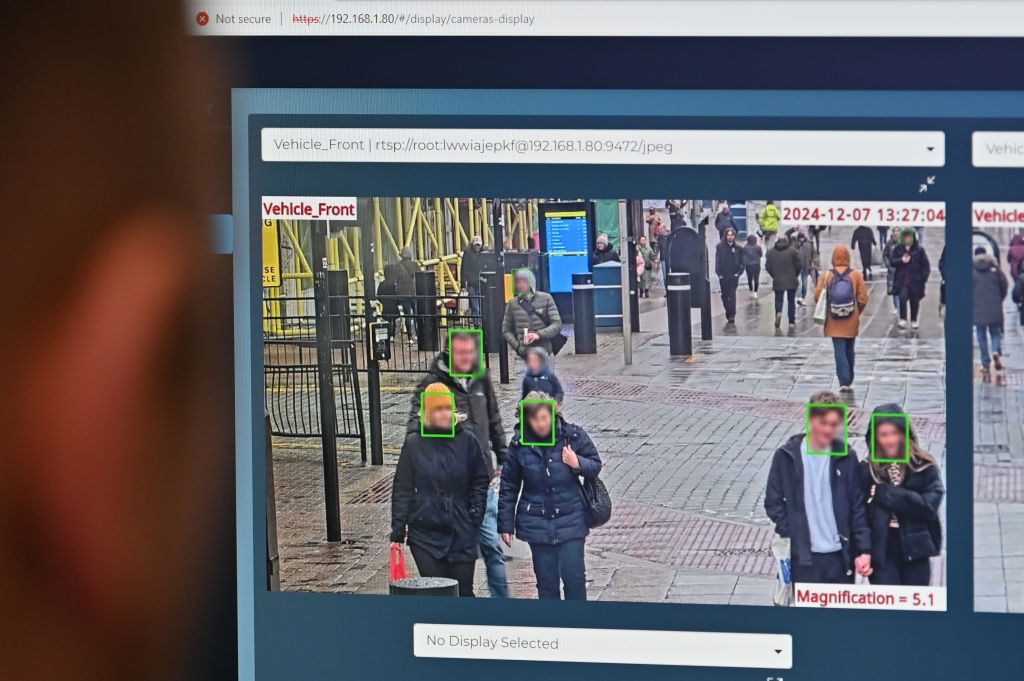
Vietnam Introduces Advanced Biometric Technology at Airports and Metro Hubs Redefining Travel Security and Ensuring Faster, Smarter, Digital-First Journeys

Published on
September 15, 2025

Vietnam is deploying cutting-edge biometric technology at major airport and metro terminals with the objective of reengineering the security paradigm and simultaneously delivering expedited, intelligent, and frictionless journeys rooted in digital connectivity. By weaving biometric verification into routine travel workflows, the country is amplifying security while simultaneously augmenting operational efficiency, thereby compressing queuing durations and minimizing labor-intensive, paper-based tasks. This systematic digital evolution guarantees a travel domain that is both secured and intuitively orchestrated, and distinctly positions Vietnam as an early adopter of technologically engineered, contemporary travel deliverables, in alignment with the surging global appetite for seamless, operationally transparent travel solutions in a digitized environment.
Vietnam is preparing to introduce a comprehensive biometric identification system across its transportation network, signaling a transformative step in the nation’s travel infrastructure. By the end of October, all airports will be equipped with biometric systems integrated into the national digital ID platform, streamlining the passenger experience and enhancing security measures. This initiative is part of a broader push to modernize travel services and promote digital solutions for both domestic and international travelers.
The nationwide deployment will extend beyond airports, with metro stations and parking facilities in Hanoi and Ho Chi Minh City set to adopt the biometric technology within the same timeframe. Passengers are expected to experience smoother journeys as the systems are introduced, with automated gates replacing traditional check-in and security procedures. Travel authorities anticipate that the integration of digital IDs will reduce waiting times and facilitate seamless transit across multiple transportation modes.
The system will function in tandem with the VNeID app, allowing passengers to provide biometric data either through airport counters or directly via the mobile platform. From September 15 through November 30, travelers will be encouraged to register their biometric information in preparation for full implementation. By December 1, the policy will be fully operational, marking a nationwide shift toward automated, digital-first travel services.
Incentives are expected to be offered by local airlines and airports to encourage adoption, including priority boarding and expedited security clearance for passengers who opt for biometric-based procedures. These measures are designed to familiarize travelers with the new system while promoting efficiency and convenience in airport operations.
Infrastructure investments have been carefully coordinated to support this major technological upgrade. Procurement and installation of the necessary equipment have been overseen to ensure that all facilities are ready for use by the designated deadline. The approach emphasizes both security and passenger comfort, reflecting a commitment to integrating advanced digital solutions across Vietnam’s transportation network.
The introduction of biometric systems is part of a broader trend toward digitalization in the travel sector. As airports, metro stations, and other public transit hubs modernize, travelers can expect a more streamlined experience, with less reliance on manual document verification and more focus on automated processes. This development aligns with global practices in travel efficiency, safety, and smart mobility, positioning Vietnam as a forward-thinking destination for both leisure and business travelers.
Passengers are advised to familiarize themselves with the VNeID app ahead of time, as it will serve as the central hub for travel-related digital services. From check-in procedures to security clearance, the app will provide integrated access to transportation utilities while ensuring data compatibility across regions. By connecting biometric identification with digital platforms, the initiative aims to create a cohesive and user-friendly experience for all travelers.
The rollout represents a significant milestone in Vietnam’s efforts to modernize its travel infrastructure and embrace digital transformation. Airports and metro networks are expected to experience improved operational efficiency, reduced congestion, and enhanced traveler satisfaction. With incentives in place and full implementation scheduled for early December, the system is poised to redefine the standard of travel convenience in the country.
Vietnam is rolling out sophisticated biometric solutions across its airports and metro terminals, strategically designed to fortify security while simplifying passenger movement, thereby delivering quicker, more intelligent, and digital-first travel experiences. The initiative targets the dual objectives of minimizing queuing and enhancing overall convenience, thereby reinforcing the country’s position as a regional pioneer in data-driven travel infrastructure.
Proceeding toward comprehensive digital travel services, the Vietnamese travel network is poised to deliver diminished transit times, elevated security, and streamlined processing at key transport nodes. By fusing facial recognition technology with the national digital identification framework, the project aspires to render Vietnam a benchmark of travel innovation in Southeast Asia and to inaugurate a lasting paradigm of frictionless mobility and uninterrupted journey continuity across its transit ecosystems.

link