Why falling oil prices may favour Canada’s biggest energy producers
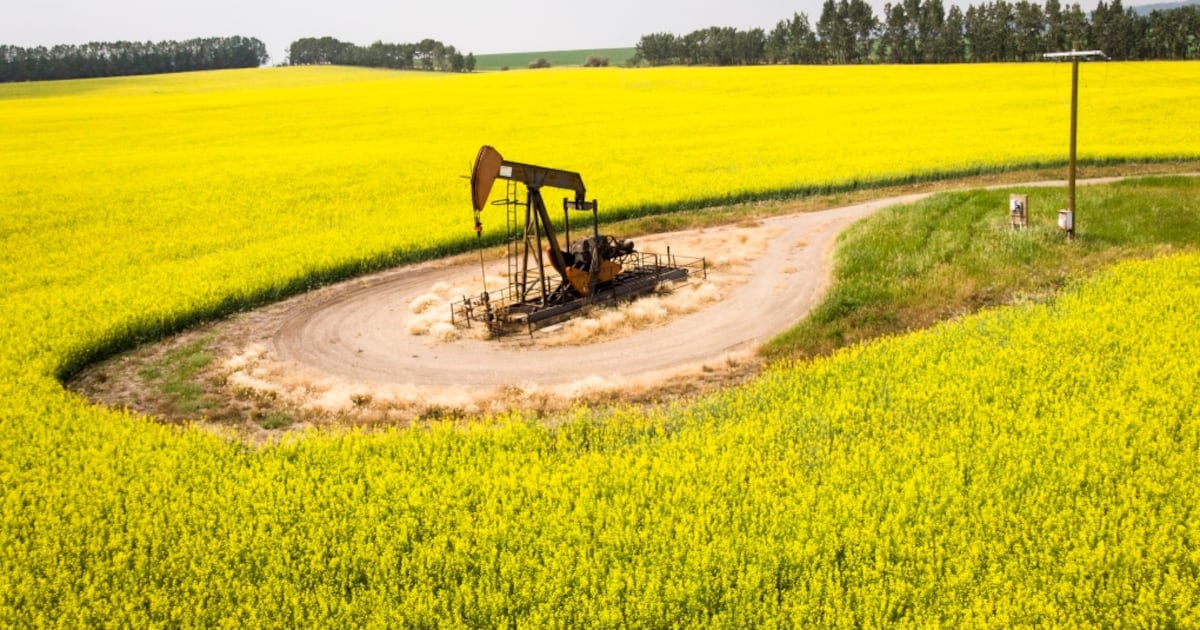
Canadian investors are reassessing energy exposure and resource dealmaking as oil prices slide sharply and Ottawa moves quickly on a major mining acquisition.
BNN Bloomberg spoke with Paul Harris, portfolio manager at Harris Douglas Asset Management, about the impact of oversupply on crude prices, the approval of the Teck–Anglo deal and which sectors he believes are best positioned heading into 2026.
Key Takeaways
- Excess oil supply from OPEC and U.S. shale production is pressuring crude prices, with little relief expected in the near term.
- Large-cap Canadian oil producers are better positioned to weather lower prices due to strong balance sheets, steady dividends and acquisition capacity.
- Ottawa’s rapid approval of the Teck–Anglo deal surprised investors, with execution and follow-through on Canadian commitments now the key risk.
- Mining consolidation makes strategic sense given the importance of critical minerals like copper, though synergies are limited in the sector.
- Financials, technology and health care remain preferred sectors, supported by low interest rates, regulatory changes and consolidation opportunities.

Read the full transcript below:
MERELLA: North American markets are mixed today, clawing back some earlier losses. Oil, however, is down to the US$55 range — a far cry from where it started the year near US$80. Let’s get more from Paul Harris, portfolio manager at Harris Douglas Asset Management.
Paul, West Texas Intermediate crude — what’s driving it lower, and do you see that changing?
PAUL: I think a lot of it comes down to overcapacity. We’ve seen excess supply build up in the oil business, with OPEC increasing capacity and then keeping production at elevated levels. At the same time, there’s been significant output from U.S. shale producers. All of that has contributed to the oversupply we’re seeing, and I don’t think that gets worked through over the next couple of months at least.
Because of that, crude could stay at lower levels for a while. Having said that, the question for me is whether you want to own the companies. In Canada especially, many of these stocks are not trading at stretched valuations. You’re looking at roughly 14 times earnings and close to a five per cent dividend yield for some of the larger-cap names, like Suncor and Canadian Natural Resources.
In an environment where oil prices are falling, those are the kinds of companies you want to own. They have the balance sheets to manage through this kind of cycle, and they also have the capacity to make acquisitions if opportunities arise — particularly if smaller companies become distressed because of lower oil prices.
Over time, oil will likely settle at some level and move higher from there. But right now, the market needs to work through this period of excess supply.
MERELLA: Let’s also talk about the Teck Resources deal with Anglo American. Are you surprised at how quickly Ottawa approved it, and what did you make of the transaction?
PAUL: I was surprised. The minister had been signalling that she wanted more concessions, and many analysts were taken aback by how quickly the deal was approved. That said, Canada’s approval was the most important hurdle, even though there are still other jurisdictions involved.
From a strategic standpoint, the deal makes sense. Both companies had been viewed as potential takeover targets for some time. Combining them creates a much larger company with greater scale.
The bigger issue is whether the commitments that were made will actually be followed through on — things like the promised $10 billion investment over 15 years and maintaining a meaningful presence in Canada. Saying you’ll keep roots in Canada doesn’t necessarily mean much unless there’s transparency and accountability.
That’s often the challenge when Canada allows these types of transactions. Still, from a business perspective, it makes sense. Certain resources, particularly minerals like copper, are increasingly important not just for technology but also for national security. The combined company has the ability to grow in those areas.
Mining deals don’t usually come with a lot of synergies, but there are some, particularly around head office functions and the geographic location of assets. Overall, I think it’s a good deal — assuming the company follows through on its commitments to Canada.
MERELLA: We’ve touched on oil and mining. Are there other sectors you favour right now?
PAUL: We’re generally not big investors in mining because returns tend to be driven almost entirely by the commodity, and the sector has already had a strong run. We do invest in oil, particularly larger-cap companies like Canadian Natural Resources and Suncor.
These companies are in much better shape than they were years ago. They’ve reduced debt, bought back shares and increased dividends. They’ve learned how to operate more efficiently and generate strong cash flow even in a lower-price environment.
Beyond energy, we still like technology. I think there’s room for companies like Adobe to continue doing well. We also like health care and financials in both Canada and the United States.
Low interest rates have been supportive for banks, and there are regulatory changes coming in the U.S. that could benefit Canadian banks as well. There’s also a lot of opportunity in U.S. regional banks. The U.S. has thousands of banks, and there’s significant room for consolidation.
Banking is increasingly a technology-driven business, and scale matters. Overall, financials look well positioned heading into 2026.
MERELLA: Paul, we’ll have to leave it there. Thanks for your time.
—
This BNN Bloomberg summary and transcript of the Dec. 16, 2025 interview with Paul Harris are published with the assistance of AI. Original research, interview questions and added context was created by BNN Bloomberg journalists. An editor also reviewed this material before it was published to ensure its accuracy and adherence with BNN Bloomberg editorial policies and standards.
link