How Canada’s New Biometric System Will Change EU Travel from October 2025
Published on
September 29, 2025

From October 12, 2025, Canadian travellers to European Union (EU) countries will have to factor in changes to the functioning of the borders as a result of the new European Entry/Exit System (EES) to be implemented on that date. The purpose of the new EES System is automation of border crossing and improving the security of automation systems at the borders of the EU Countries. These changes will affect all those wishing to travel to the 27 countries in the EU owing to the changes in the EES System or the entry-exit process of the EU.
The EES aims to collect biometric data, such as facial images and fingerprints, for travellers entering or leaving the Schengen Area. This system replaces the old method of passport stamping, offering a more efficient and secure way to track border crossings. With this shift, the EU seeks to better monitor overstays, ensuring visitors comply with the allowed 90-day stay within a 180-day period without the need for a visa.
What Does the Entry/Exit System Mean for Canadian Travellers?
From October 12 onwards, the new system will be gradually implemented across EU borders. The transition will be complete by April 10, 2026, and will eliminate the old passport stamping process in favour of digital entry and exit logs. The biometric system will record data when Canadian travellers enter and leave any EU member state, streamlining the process and preventing the misuse of visa-free travel benefits.
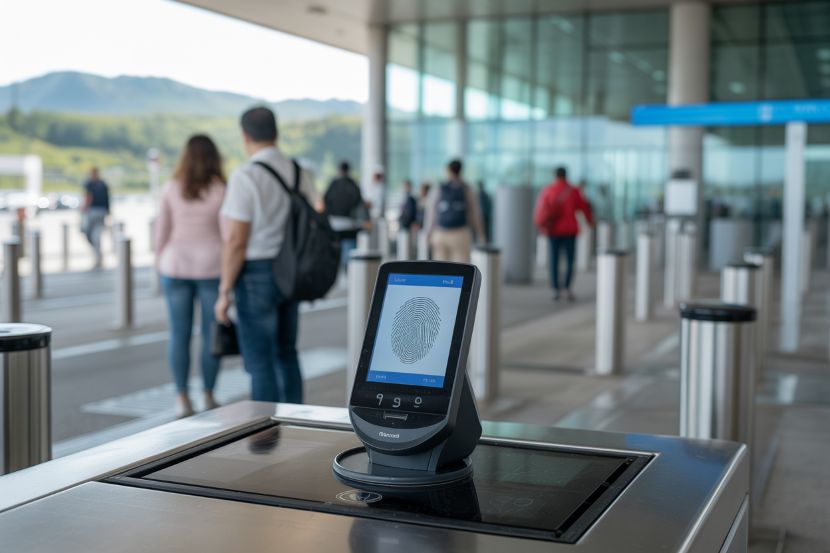
Travellers holding a biometric ePassport will be able to use self-service kiosks upon arrival, where their fingerprints and facial scans will be collected. This will reduce the risk of fraud and ensure enhanced traveller protection. For Canadians, this means their biometric data will be stored for three years, making it easier to travel to the Schengen Area multiple times without needing to resubmit their details each time.
Gradual Rollout of EES: What to Expect
The system will not be fully operational immediately. The first 180 days of the EES implementation will feature a dual process: border officials will stamp passports while also registering entries and exits digitally. After the transition period, the digital records will replace physical passport stamps entirely. This gradual rollout will ensure the system is properly integrated and running smoothly across the continent.
This biometric system will be used at select border points in different EU countries, gradually extending to all EU member states over time. Canadians, especially those holding ePassports, will be able to bypass the traditional customs lines, using the new self-service kiosks for faster processing.
Consequences for Overstayers
Canadians can visit the Schengen Area for up to 90 days in any 180-day period without a visa, but overstays will be detected through the EES. If a traveller exceeds the 90-day limit, penalties may include fines, deportation, or future travel bans. Some countries within the Schengen Area may allow Canadians to stay beyond the 90-day limit under specific conditions, such as staying within one country without crossing borders. However, to stay longer in a country that doesn’t offer such extensions, travellers will need to apply for an appropriate visa before departure.
As this system aims to prevent visa misuse and overstays, Canadians should carefully monitor their travel dates and ensure they don’t exceed the allowed 90 days. The European Union provides a short-stay calculator to help visitors track their time spent in the area, and once the EES is fully implemented, the system will automatically track visitors’ stay duration.
What This Means for Canadian Tourists
Starting October 2023, Canadian travellers wishing to head to the EU will have to adapt almost immediately to the newly implemented Entry/Exit System Border, which will change the way borders are crossed. Travellers will benefit from decreased wait times because of the shift to biometric identification, enhancing border security all over Europe. It is critical for travellers to know border policies and plan their travels, especially the 90-day travel limit policy, unless they are seeking an upgraded visa. Border control will now have efficient and modern ways of tracking travel and overstays, which will greatly increase the travel experience for Canadians visiting the European Union.

link