Trump dismisses solar, wind power, but the Chinese don’t

At a speech before the U.N., President Donald Trump dismissed renewable energy as ‘a joke.’ But America will fall behind the rest of the world if we don’t use it.


Trump, First Lady jolt to a halt as UN escalator stops
President Donald Trump and the First Lady were arriving at the United Nations building in New York when they jolted as the escalator stopped.
Bloomberg – Politics
President Donald Trump told the United Nations on Sept. 25 that renewable energy is “a joke” that will bankrupt nations. Standing before world leaders, he called wind turbines “pathetic” and warned that green energy means economic suicide.
These claims deserve a reality check. Let’s start with what matters to American families: their electric bills.
“European electricity bills are now four to five times more expensive than those in China, and two to three times higher than the United States,” Trump declared.
But here’s what he didn’t mention: Texas generates about a third of its power from wind and solar combined, and the state still has competitive electricity rates. Iowa generates 64.7% of its energy from wind – the highest percentage of any state. The truth is, both states are thriving, not failing.
The president’s warning that renewables “don’t work” and are “too expensive” doesn’t match what’s happening in America. Solar and wind are now the cheapest ways to generate electricity in most of the country.
That’s not politics talking, that’s economics. Warren Buffett’s energy company has already delivered the equivalent of 100% carbon-free energy to Iowa customers and continues to be a national leader in massive renewable infrastructure projects. Buffett doesn’t make billion dollar bets on technologies that don’t work.
US can lead or fall behind on renewable energy
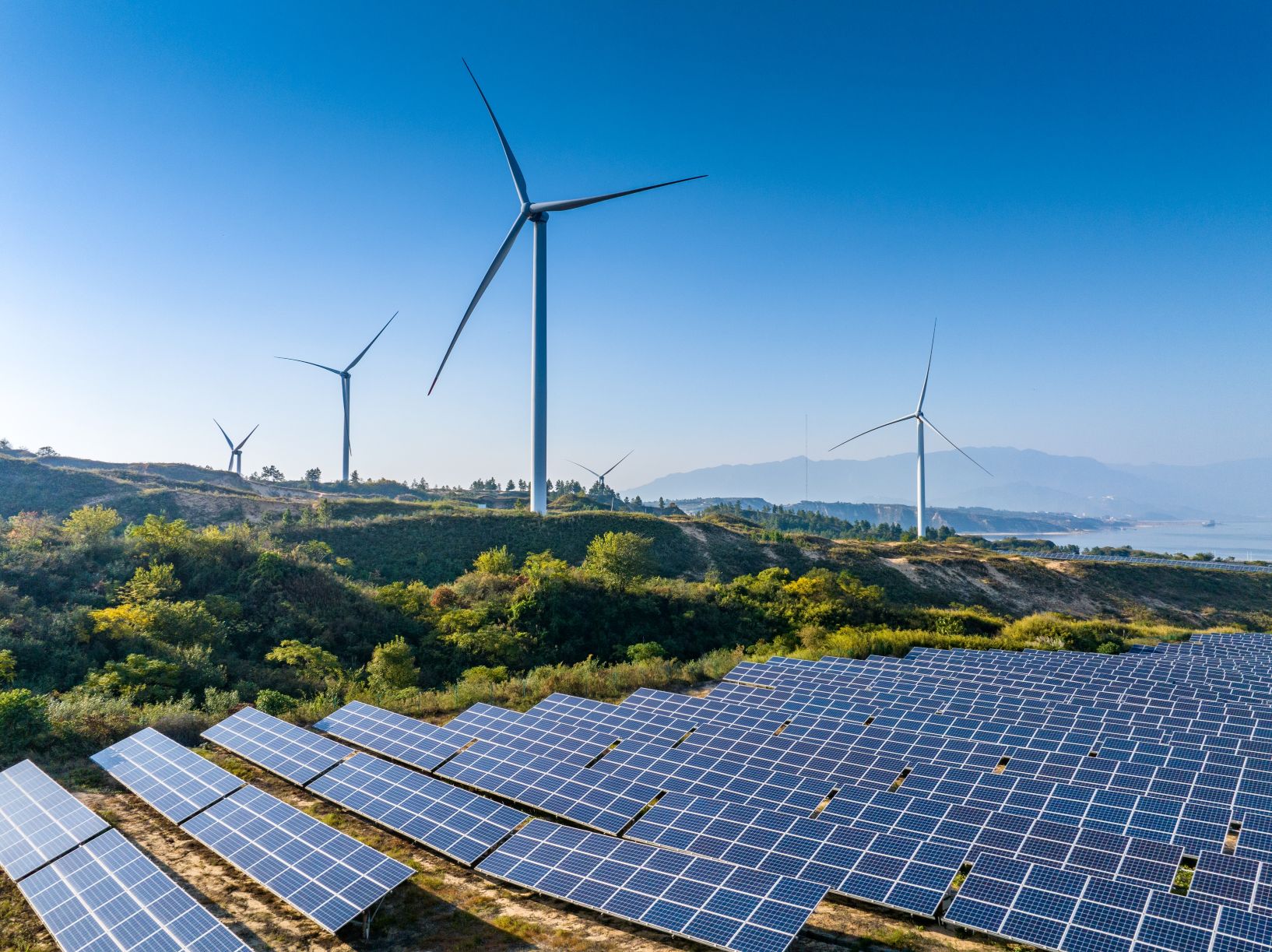
Consider what’s happening in your community. Drive through rural America, and you’ll see wind turbines spinning on farmland, providing a steady income to farming families. Solar panels cover warehouse roofs, cutting business costs.
These aren’t failed experiments. They’re American innovation at work.
Trump praised Germany for supposedly abandoning green energy and returning to fossil fuels. The reality? Germany generated a record-breaking 67.5% of its electricity from renewables in the second quarter of this year.
Yes, Germany faced an energy crisis after losing Russian gas supplies, but its solution was adding more renewables, not fewer, and sourcing fossil fuels from other countries.
The president also dismissed Europe’s 37% reduction in carbon emissions as meaningless because global emissions have increased. But that proves something important: Wealthy nations can reduce emissions and maintain prosperity. The problem isn’t that clean energy doesn’t work; it’s that not enough countries are using it yet.
Americans should worry that while we’re arguing about whether wind power works, the Chinese are cornering the market on tomorrow’s energy technology. They dominate solar panel manufacturing and battery production.
The Chinese are not doing this to be “politically correct.” They’re doing it to own the industries that will power the future.
‘All of the above’ really is the best energy strategy
America’s real energy advantage comes from having options. We have abundant natural gas, promising nuclear technology, massive renewable potential and, yes, oil and coal reserves. Smart energy policy uses all these tools, not just the ones that score political points.
Different regions need different solutions. What works in sunny Arizona might not work in Alaska.
The truth about energy isn’t as simple as “renewables good” or “renewables bad.” Wind and solar have real limitations.
They need backup power when the wind doesn’t blow and the sun doesn’t shine. They require land and materials. But fossil fuels also have drawbacks: price spikes, dependence on foreign suppliers and finite supplies.
Every energy source involves trade-offs. Battery storage technology is rapidly improving, making renewables more reliable.
Grid modernization helps balance supply and demand. Natural gas can provide backup power. Nuclear offers carbon-free baseload electricity.
The solution isn’t choosing one winner but creating a resilient system that uses each technology’s strengths. American families need affordable, reliable energy. American businesses need competitive electricity costs. American workers need good energy jobs, whether in Pennsylvania natural gas fields or Michigan battery factories. Achieving these goals requires honest conversation about energy choices, not theatrical declarations that entire industries are “scams.”
Our energy future will be determined by engineers and economics, not political rhetoric. America became an energy superpower through innovation, not by rejecting new technologies. This is the approach that will keep us competitive, prosperous and energy secure for generations to come. America achieved net energy exporter status about 2019, ending decades of vulnerability.
Now we can extend that independence by harnessing our unlimited wind and sunshine along with traditional resources. When solar efficiency reaches 34.6% in the lab and wind turbines generate more power than ever imagined, ignoring these advances means ceding technological leadership to China.
American policymakers must prioritize strength and independence. Renewable energy plus storage delivers both.
It creates jobs, cuts costs, enhances security, and ensures America leads rather than follows the global energy transformation already underway. That’s not ideology. That’s strategic common sense.
Mark McNees is the director of social and sustainable enterprises at Florida State University’s Jim Moran College of Entrepreneurship, a keynote speaker and author of “The CEO’s Mindset Reset: Daily Reflections for Transformational Leadership.“
link