U.S. Travel Industry Set to Transform with New Biometric Entry-Exit System Enhancing Security and Travel Efficiency
Published on
November 16, 2025

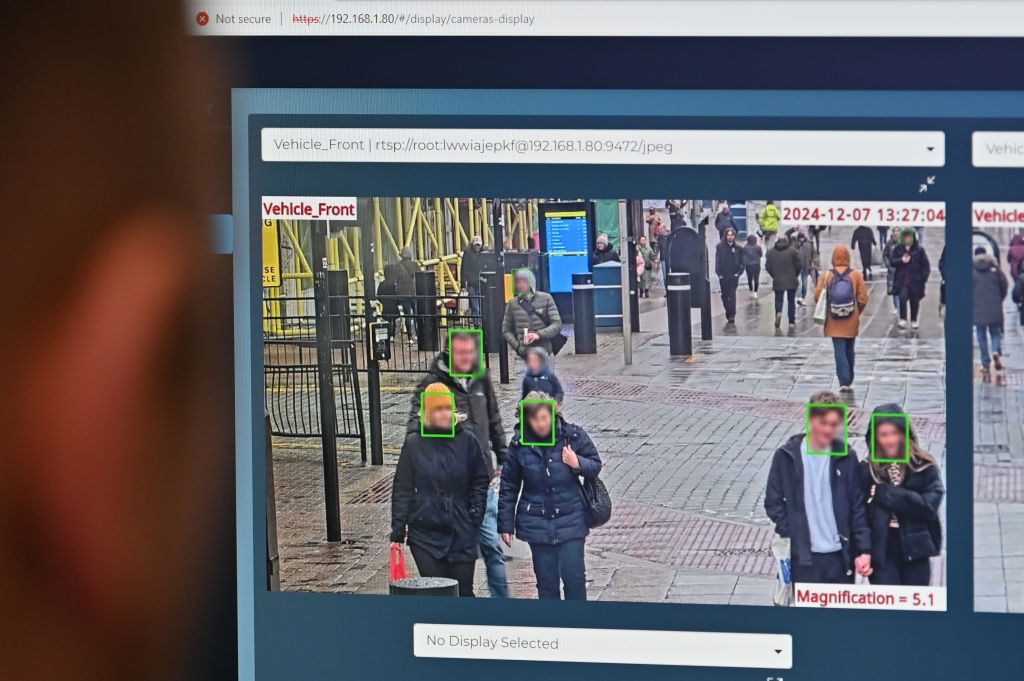
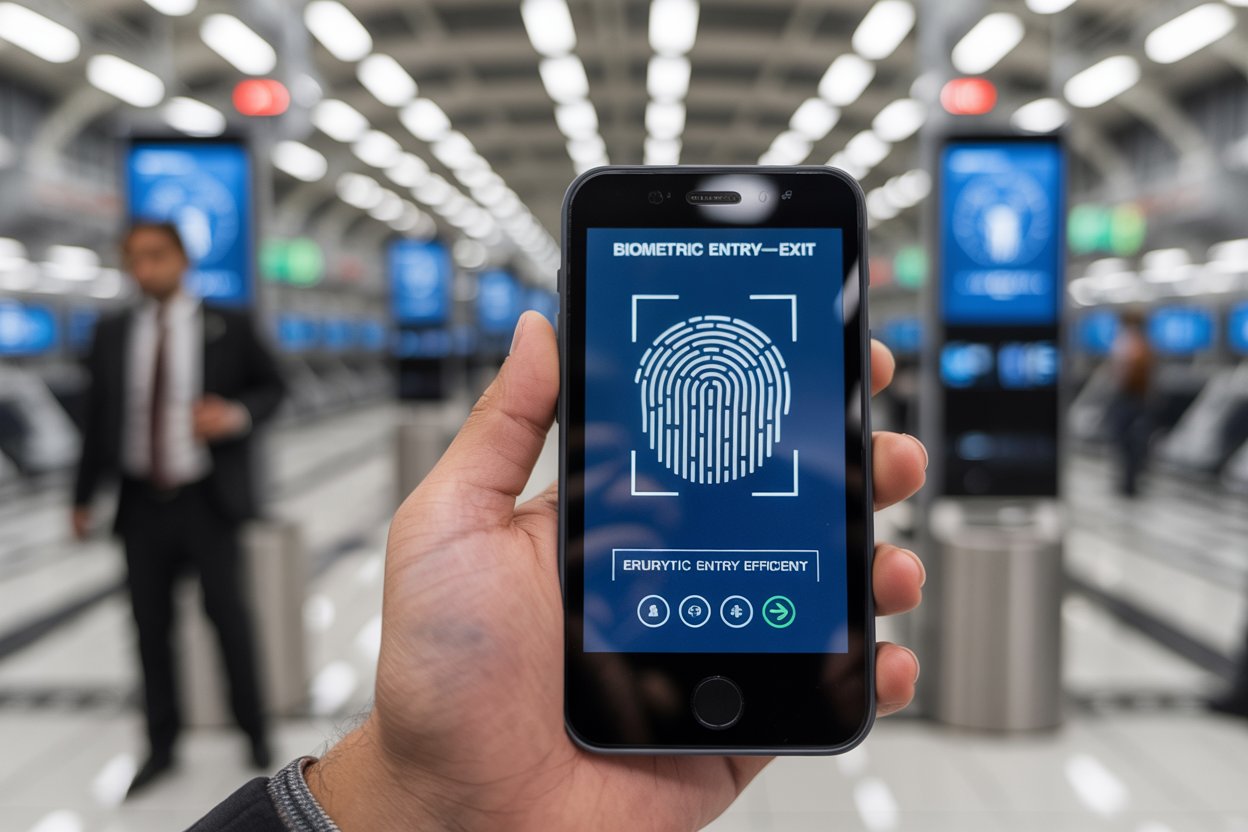
The U.S. is getting ready to launch a completely new biometric entry-exit system. Starting December 26th, a system that the Department of Homeland Security has designed specifically to allow U.S. Customs and Border Protection (CBP) to collect biographic data from, and photos of, all travelers who are not U.S. citizens and who enter and exit the country. This will improve the efficiency of the travel system, and strengthen system security.
Biometric System Expands Travel Security and Efficiency
Under the new guidelines, travelers will no longer need to show traditional documents like passports or boarding passes at every checkpoint. Instead, biometric facial recognition will be used to verify identities with over 98% accuracy. This step will not only enhance national security but also reduce the burden on travelers by streamlining the processing at airports and seaports. The technology is poised to revolutionize the travel experience, allowing travelers to pass through security checks much more efficiently.
For years, the U.S. has struggled with developing a complete biometric exit system. Now, thanks to a renewed commitment, CBP plans to implement this system at all commercial airports and seaports within the next three to five years. This change brings the U.S. on par with international travel hubs such as the European Union, which already launched its digital Entry/Exit System last month, capturing facial images and fingerprints from all non-EU travelers.
Why It Matters for Global Travel: A Secure and Seamless Experience
The biometric upgrade has far-reaching implications for both security and ease of travel. The main benefit for travelers is a smoother, more efficient process that reduces the need for manual checks, easing long lines and wait times, which have long plagued busy airports around the world. With facial recognition technology gaining global traction, passengers can expect faster processing times, meaning less time spent at checkpoints and more time to relax before their flights.
One of the key drivers behind the move is to facilitate the expansion of the U.S. Visa Waiver Program (VWP). With biometric exit fully in place, the U.S. will be able to evaluate visa overstay rates rather than visa refusal rates, a key metric for determining eligibility for the VWP. This shift could open the door to more countries being added to the program, further increasing international tourism and fostering stronger global relations.
A Powerful Economic Boost: The Economic Impact of Expanding VWP
The potential economic benefits are clear. Historically, countries that have joined the VWP have seen a significant rise in travel to the U.S. For example, six months after joining the VWP, arrivals from new partner countries increased by 18%, and after three years, that number rose by 24%. South Korea, which joined in 2008, is a prime example, with visitation growing by nearly 50% within three years of joining.
This expansion is not just a win for travelers—it’s a win for the U.S. economy. Boosting travel spending, supporting jobs within the travel industry, and generating additional tax revenue are all crucial advantages of expanding the VWP, especially as the U.S. gears up for events like the 2026 FIFA World Cup and the country’s 250th anniversary celebrations.
The U.S. Travel Industry’s Advocacy for Biometric Technology
The push for a biometric entry-exit system is the result of years of advocacy by the U.S. Travel Association (USTA). The association has been at the forefront of securing funding for biometric technology in the One Big Beautiful Bill Act and has long supported full biometric entry-exit implementation. Their advocacy has helped strengthen the U.S.’s travel infrastructure, ensuring that security and efficiency are enhanced without compromising the traveler experience.
The Commission on Seamless and Secure Travel, a body focused on improving U.S. travel processes, recommended completing biometric air exit by 2026. The commission sees this as a vital step in improving identity verification and creating a more secure, efficient travel environment for both U.S. citizens and international visitors.
What the Future Holds for U.S. Travel and Global Tourism
With the global shift toward biometric verification, the U.S. is positioning itself as a leader in travel security and convenience. As this technology continues to evolve, the benefits for travelers will become increasingly evident. In addition to enhancing national security, the U.S. is making strides to ensure a smoother, faster experience for passengers.
As major events like the 2026 FIFA World Cup and the country’s 250th anniversary approach, the pressure to provide seamless travel experiences will only intensify. The U.S. cannot afford to fall behind in this global movement toward digitalized, biometric travel systems. With facial recognition technology now part of the U.S. travel landscape, the country is embracing a future where security and convenience go hand-in-hand.
Conclusion: A Step Towards the Future of Travel
In conclusion, the U.S. is on the brink of a major transformation in how it handles travel security. The full implementation of the biometric entry-exit system will not only bolster national security but will also make travel smoother and more efficient for millions of people. The expansion of the Visa Waiver Program could open up new opportunities for tourism, creating significant economic benefits in the long run. As the U.S. joins other regions in adopting biometric technology, the global travel industry will look to the U.S. as a model for integrating technology into modern travel systems. This is no longer just a vision for the future—it’s already here.

link